Education leaders in County Durham have called on the government to support Lockheed Martin‘s proposed £85 million satellite manufacturing and testing facility, arguing that the investment could expand regional engineering capacity and create long-term opportunities for technical education and apprenticeships.
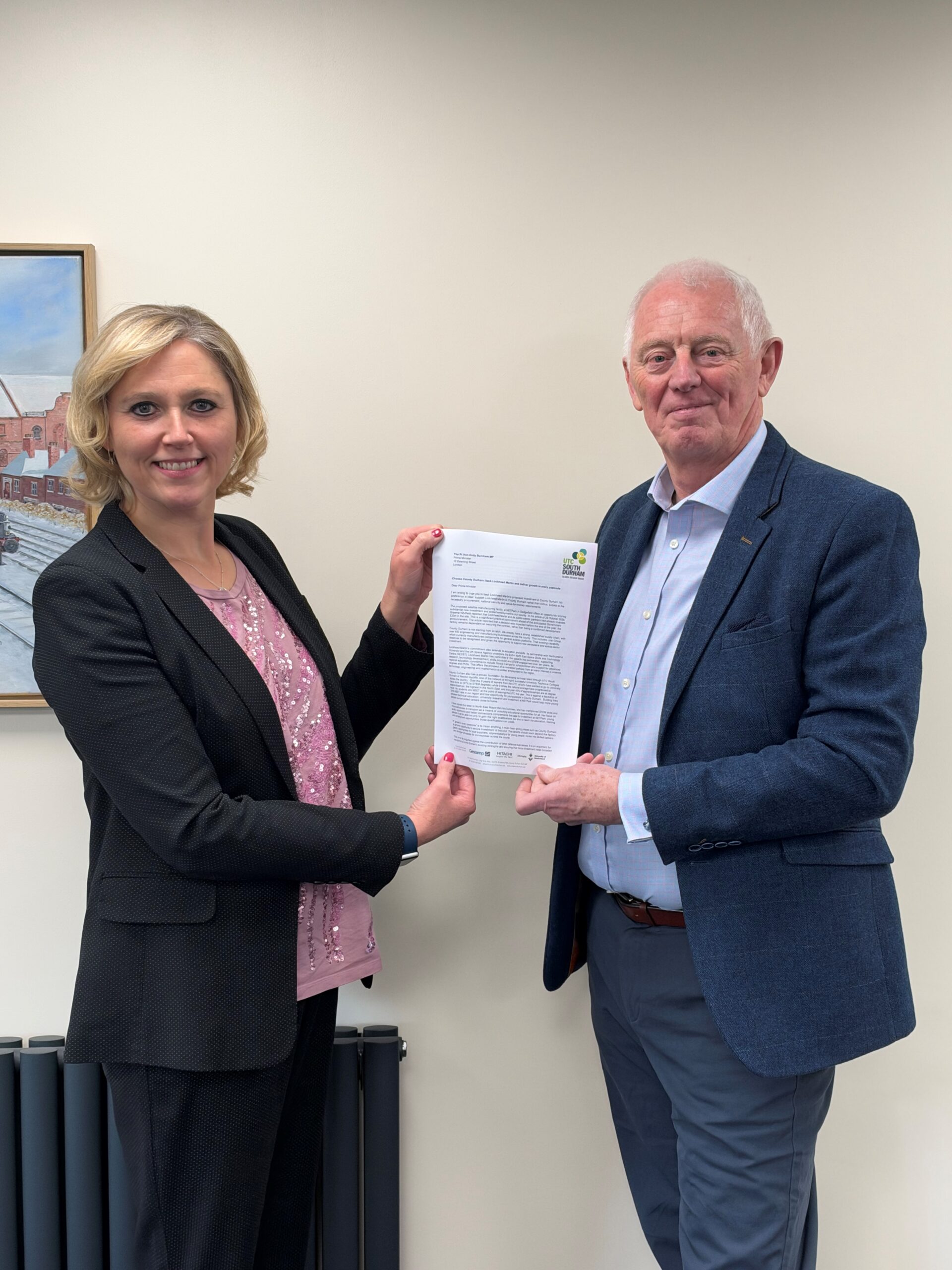
David Land, chair of UTC South Durham, and principal Tom Dower have written to Prime Minister Andy Burnham seeking government backing for the facility proposed at NETPark in Sedgefield. They have also invited him to visit the college and the technology park to examine the relationship between education and industrial development.
Lockheed Martin’s proposal is linked to the government’s Skynet procurement programme, for which Airbus is also competing. The company has identified the potential for approximately 500 initial jobs at the proposed facility, but a procurement decision remains outstanding following a reported delay to the competition.
The college’s intervention concentrates on the potential economic and employment opportunities associated with the investment. County Durham contains more than 400 engineering and manufacturing businesses, according to the UTC, providing an established industrial base from which specialist suppliers could participate in future aerospace programmes.
“County Durham has the engineering heritage, existing businesses and young people with the talent to help deliver the next generation of UK manufacturing,” said Land.
“Backing Lockheed Martin at NETPark would give us a tremendous opportunity to connect up all of those strengths, creating skilled jobs and opening doors for generations of apprentices and ensuring young people, like those we have at the UTC, can build rewarding careers in the county.”
UTC South Durham operates from Newton Aycliffe Business Park, where its technical education programmes provide routes into engineering employment and higher education. It reports that every student seeking university progression during the past nine years has secured a place, with 97% progressing to STEM degrees.
The college also reports apprenticeship progression at eight times the national average, with degree apprenticeships accounting for 45% of its apprenticeship destinations this year. No students left the college without moving into education, employment, or training this year, according to its figures.
These educational pathways cover different levels of technical specialisation. Aerospace manufacturing requires production technicians capable of interpreting engineering documentation, carrying out controlled assembly work, using inspection equipment, and maintaining records of the components incorporated into finished assemblies. More specialised engineering roles involve developing and validating the processes through which those activities take place.
A manufacturing investment of the type proposed at NETPark would therefore create demand across several technical disciplines. Local suppliers could also require additional skilled employees if they were successful in securing work associated with the facility.
The extent of that opportunity would depend on the eventual production programme and its procurement arrangements. Aerospace suppliers must establish manufacturing procedures that meet customer requirements for quality, configuration control, traceability, and repeatability. Existing engineering expertise provides a starting point, but entering a new supply chain may involve equipment investment, employee training, and further qualification work.
“Technical education works best when young people can see where it leads and can focus on an outcome,” said Dower. “Connecting schools, universities, industry and investment creates real tangible pathways into skilled employment.”
The proposed factory would build on Lockheed Martin’s involvement in the North East Space Skills and Technology Centre (NESST), a £50 million collaboration with Northumbria University and the UK Space Agency. The company has committed £15 million to the initiative, which includes a long-term research relationship with the university.
The university and Lockheed Martin have established a master research agreement incorporating £7.5 million of research and development activity over ten years within that wider commitment. Linking university research with engineering development and manufacturing would provide opportunities for technical progression beyond initial qualifications.
Land and Dower have drawn comparisons with the arrival of Hitachi Rail in Newton Aycliffe in 2015. The establishment of a major manufacturing employer in the area created a new focus for technical skills development and industrial employment, illustrating the type of long-term relationship the college wants to establish with further regional investment.
The college’s letter also identifies the government’s planned increase in defence expenditure as an opportunity to strengthen regional manufacturing. That expenditure does not independently guarantee investment in County Durham, and the proposed satellite factory remains contingent on the government’s procurement decision.
The education leaders are asking ministers to consider the potential long-term effect of that decision on engineering employment, supplier development, and training provision. Their proposed visit would bring the government into direct contact with the college and the industrial location under consideration.