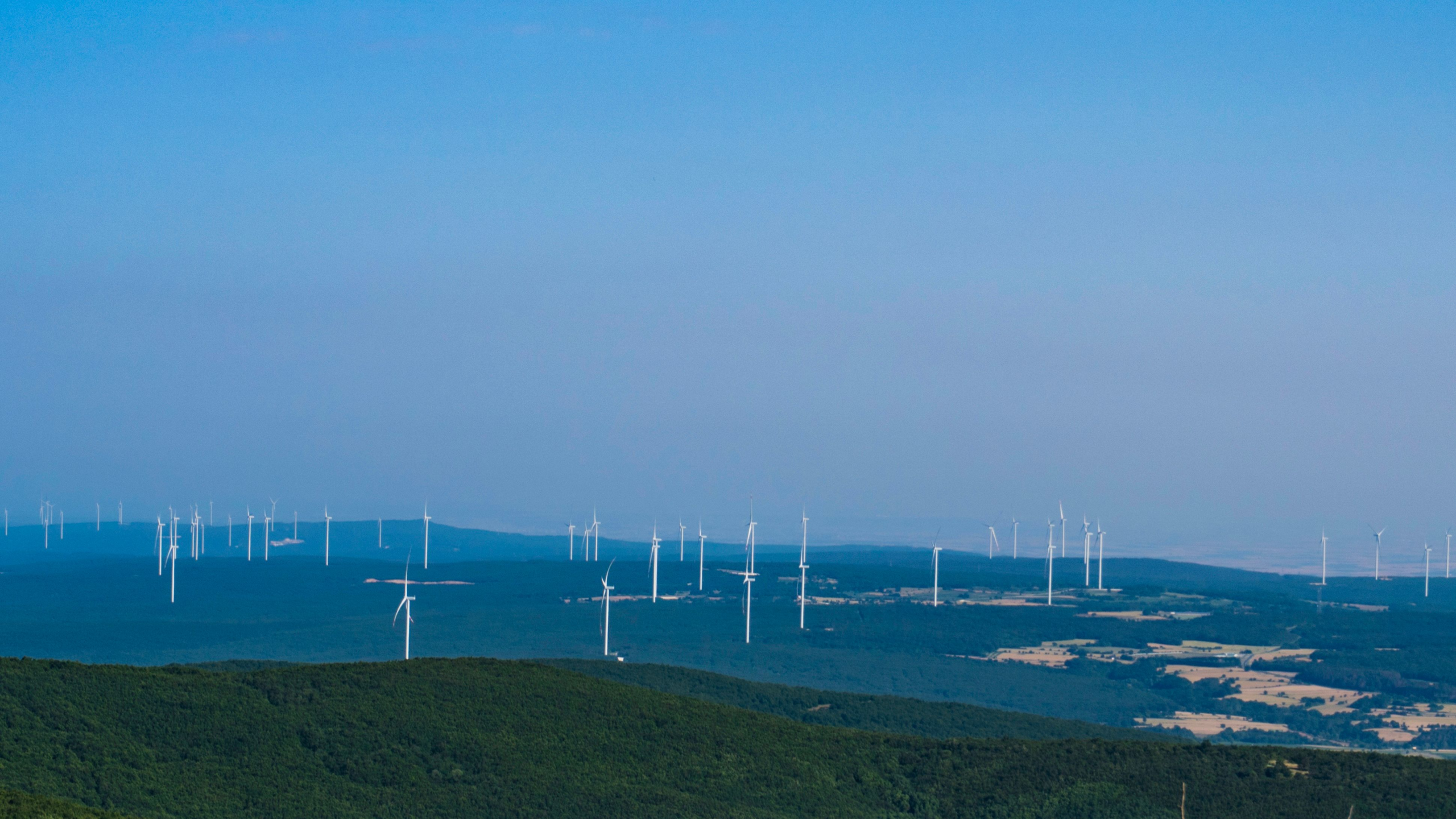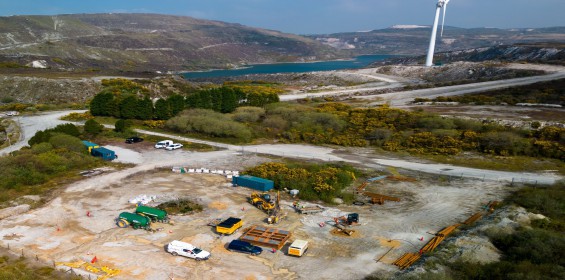
Slipform Engineering has progressed plans for a major offshore wind manufacturing facility at Kishorn in the Scottish Highlands following a feasibility project examining production capacity, costs and workforce requirements.
The proposed Slip4Wind factory would be capable of manufacturing up to 36 concrete floating offshore wind foundations each year. Together, those foundations could support more than 500MW of generating capacity annually, depending on the turbines eventually installed.
Each completed structure would weigh approximately 20,000 tonnes, creating substantial requirements for production equipment, material handling and access to the water.
The project has been supported by the National Manufacturing Institute Scotland (NMIS) through the Offshore Wind Growth Partnership’s SmartStart Manufacturing Programme.
Engineers used computer modelling and event simulation to investigate how the proposed factory could operate, identifying possible production bottlenecks and changes that could improve efficiency.
The work has produced a phased development plan covering infrastructure, investment, regulatory requirements and workforce development.
Kishorn remains a proposed manufacturing facility. The feasibility project does not constitute a final investment decision or demonstrate that the proposed production rate has been achieved.
Slipform Engineering’s concept is based on manufacturing very large concrete structures while avoiding the need to move them repeatedly across the site.
A specially designed gantry system would move manufacturing equipment around foundations that remain in position during construction.
Once complete, the structures could be transferred directly into the water rather than being transported over substantial distances within the factory.
Moving a structure weighing approximately 20,000 tonnes would impose considerable demands on ground conditions, lifting systems, transport equipment and the layout of the manufacturing site.
Keeping the foundation stationary during construction is intended to reduce some of those requirements, although the final launch and transfer arrangements will still need to be engineered for the selected structures.
The manufacturing method uses slipforming, in which moulds move progressively as concrete is placed and develops sufficient strength to retain its intended shape.
The process allows large concrete structures to be formed through a controlled sequence of material placement, reinforcement installation and movement of the formwork.
Its performance depends on the relationship between concrete supply, setting behaviour, ambient conditions and the rate at which the mould advances.
If the formwork moves before the concrete has developed adequate strength, the structure may not retain the required geometry. Delays in placing material can also affect the continuity of the manufacturing sequence.
A foundation of the proposed size would require substantial quantities of concrete, reinforcement and supporting materials, together with equipment capable of maintaining reliable production over extended periods.
The gantry arrangement must provide access to the areas being formed while allowing materials, workers and equipment to move around the structure.
The proposed annual capacity of 36 foundations would average three completed units per month, although actual manufacturing schedules would depend on the duration and overlap of individual production stages.
Some activities may be carried out simultaneously across different foundations, while others could depend on shared equipment or specialist personnel.
NMIS examined these interactions through simulation rather than assuming that the intended production rate could be achieved simply by increasing the quantity of equipment installed.
Its work identified potential opportunities to improve efficiency, including more flexible working arrangements and training employees to undertake several roles.
Workforce flexibility may help reduce delays when particular operations require additional personnel, but it depends on workers receiving the training and competence needed for the activities involved.
Specialist concrete production, equipment operation and structural inspection can impose different technical requirements, which must be accounted for when designing the workforce.
Manufacturing simulations can help establish how resources might be allocated and where queues could develop between operations.
Their conclusions depend on the assumptions used, including process times, material availability, equipment reliability and the sequence in which work is expected to take place.
The findings can support investment planning, but operational performance will still need to be demonstrated once the manufacturing methods and equipment are tested.
Slipform Engineering is developing that capability through a separate demonstration, research, development and training facility at Hunterston in North Ayrshire.
Work is under way on the Hunterston project, which is scheduled to open in January 2027.
The facility will provide a means of testing a smaller version of the gantry system, investigating concrete materials and developing operating methods before attempting production on the scale proposed at Kishorn.
Slipform Engineering previously identified investment of £3.5m for the Hunterston development, supported by funding from the Offshore Wind Growth Partnership and The Crown Estate.
That investment relates to the demonstration facility, not the cost of building the proposed full-scale Kishorn factory.
The work at Hunterston is expected to provide practical information about the manufacturing sequence, equipment performance and skills required for subsequent industrial deployment.
NMIS has also connected Slipform Engineering with Ayrshire College to examine opportunities for workforce training and the development of employees capable of supporting different production activities.
Kishorn’s coastal location is important to the factory concept because the completed foundations must ultimately be launched and transferred into a marine environment.
Access to the water can reduce the need for land transport of completed structures, but marine operations introduce their own constraints involving water depth, weather conditions, equipment and safe transfer procedures.
The proposed manufacturing rate also depends on sufficient commercial demand for the foundations.
Floating offshore wind projects must progress through development, financing, procurement and construction before suppliers can rely on firm production requirements.
A facility designed for substantial annual output needs an order pipeline capable of supporting its equipment, workforce and operating costs.
Slipform Engineering has not disclosed the full capital cost of the Kishorn factory, a confirmed construction start date or binding orders for 36 foundations annually.
The latest feasibility work establishes a more detailed basis for the engineering and investment decisions that remain.
Hunterston’s planned opening in January 2027 will provide the next opportunity to demonstrate the production methods intended for eventual use at Kishorn.