
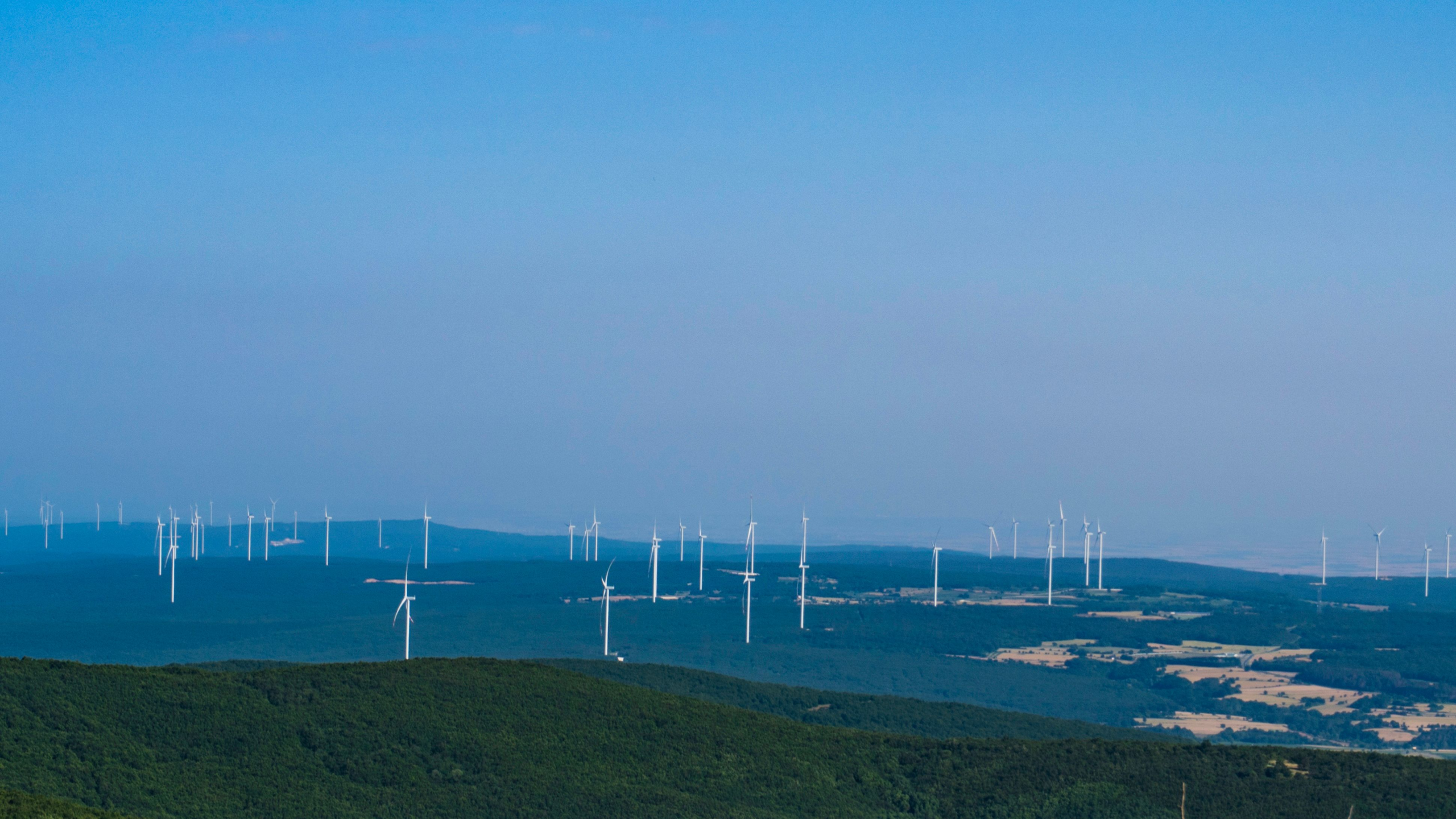
Nordex Group has signed two framework agreements with Vattenfall covering future onshore wind projects in Germany and the United Kingdom, establishing closer cooperation over turbine specifications, engineering requirements and project delivery.
The agreements will initially run for three years, until 2029, with an option to extend them for another two years. They are intended to involve Nordex earlier in Vattenfall’s project development activities, before individual turbine orders are necessarily placed.
Neither company has disclosed a committed number of turbines, an aggregate generating capacity or a total contract value. The frameworks establish arrangements for cooperation rather than a confirmed equipment order.
The companies intend to coordinate project requirements and turbine configurations while increasing standardisation where appropriate. Their work will also cover technological development, sustainability, supply chains and operational performance.
Earlier cooperation allows turbine requirements to be considered alongside the design of an onshore wind project, rather than being addressed only when procurement begins.
The selection of a wind turbine affects several elements of a development.
Rotor diameter, tower height, equipment weight and the loads transmitted through the structure influence the design of foundations, access routes and installation arrangements.
Larger components may also impose requirements on road transport. Bridges, bends, junctions and access points must accommodate the dimensions and handling characteristics of the equipment being delivered.
A turbine configuration that appears suitable for a site’s wind conditions may create additional engineering requirements if components cannot be transported using the available infrastructure.
Developers must therefore consider turbine selection alongside civil engineering and logistics, while the manufacturer needs sufficient information to establish how its equipment can be supplied and installed.
Nordex produces onshore turbines in power classes extending from approximately 4MW to more than 7MW. Its portfolio includes configurations intended for markets where available space, grid connections or other site conditions impose constraints.
The Vattenfall agreements do not specify the models that will be installed at any particular development.
Future selections will depend on the characteristics of individual projects, including wind conditions, site restrictions, grid requirements and the economics of the proposed installation.
Electrical infrastructure introduces further considerations.
A wind project requires equipment to collect electricity from its turbines, transform it to the appropriate voltage and connect it to the wider network under the applicable technical requirements.
The turbine’s characteristics must be compatible with the electrical system planned for the site, including the controls and protection arrangements required for operation.
Changes to project design can affect these interfaces, especially when planning conditions or grid connection requirements develop over time.
Closer coordination between the manufacturer and developer could reduce the amount of redesign required as a project advances, although the companies have not quantified a reduction in engineering costs or development time.
Standardisation is another stated objective.
Using common equipment configurations and engineering specifications across suitable projects can simplify aspects of procurement, installation and maintenance.
A consistent approach to documentation, components and maintenance procedures may also help operators manage equipment across multiple wind farms.
However, standardisation has practical limits because sites differ in their ground conditions, available infrastructure and wind resources.
Foundations, transport routes and grid connections still have to meet the requirements of individual locations, even where the same turbine model is selected.
The frameworks also address supply chain coordination and production planning.
Wind turbines contain manufactured components that must be assembled and delivered to meet project construction schedules. Their production can involve specialised supply chains for structures, electrical equipment, mechanical assemblies and other systems.
Manufacturing capacity must be matched with the timing of firm customer orders and the availability of required components.
Greater visibility of a potential project pipeline may help a manufacturer assess future demand, but a framework agreement does not guarantee that every proposed project will proceed.
Individual developments may still depend on planning, commercial arrangements, grid connections and investment decisions before equipment is ordered.
Nordex operates a manufacturing network with facilities in Germany, Spain, Brazil, India and the United States.
The company has commissioned more than 67GW of wind capacity across over 40 markets since 1985 and reported approximately €7.6bn in consolidated sales for 2025.
Those figures describe its wider operations rather than the value or capacity associated with the new Vattenfall agreements.
The manufacturer has not identified the factories that would supply future projects under the frameworks or committed additional manufacturing investment specifically to support them.
For Vattenfall, the arrangements provide a basis for considering turbine requirements during the development of projects in two established European onshore wind markets.
For Nordex, they offer earlier access to technical information that may support future equipment planning and project execution.
The companies also intend to exchange expertise on sustainability, although no verified emissions reduction or material efficiency target has been established for the collaboration.
Any measurable outcome would depend on the equipment eventually selected, the project designs adopted and the conditions under which the turbines are manufactured, transported and operated.
The agreements are therefore distinct from turbine supply contracts with specified capacities, delivery dates and commercial commitments.
Those details will emerge only when individual developments reach procurement and the relevant orders are agreed.
The initial cooperation period extends to 2029, with a potential continuation until 2031 if both parties exercise the extension option.

