Eppendorf has begun construction of a €40 million manufacturing facility in Penang, Malaysia, establishing its first production site in Southeast Asia and expanding its international capacity for laboratory instruments.
The factory is being developed at Bandar Cassia Technology Park on a site measuring approximately 48,500 sq m. Its planned built-up area of around 16,000 sq m will accommodate manufacturing, warehousing, quality functions, shipping, logistics and offices.
Construction formally began on 12 November, following a lease agreement with Penang Development Corporation signed in July 2026. Building completion and the installation of production equipment are targeted for the end of 2027, with manufacturing scheduled to begin gradually during 2028.
Individual product lines will be qualified and commissioned in phases, with the production ramp-up continuing through 2030. Eppendorf expects the facility to employ approximately 130 people by the end of 2029.
The company intends to manufacture selected products from its Centrifuges & Instruments portfolio for laboratories and scientific workplaces worldwide. It has not identified the individual product models assigned to the new facility or disclosed a planned annual production volume.
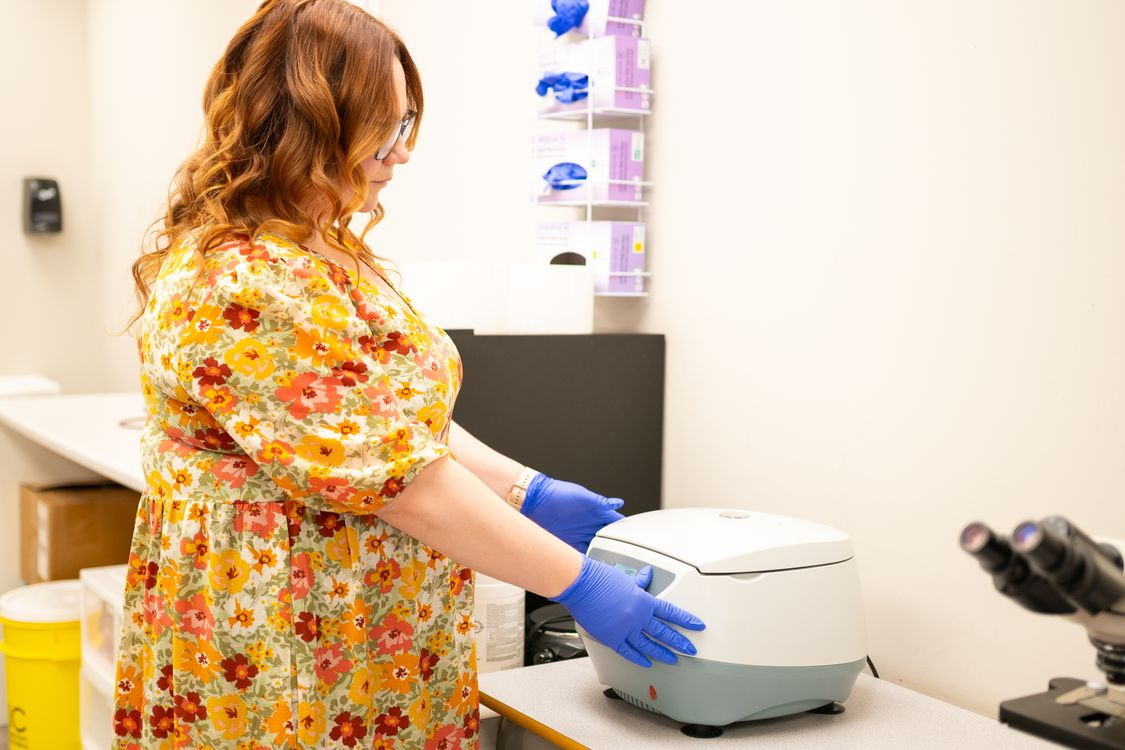
Eppendorf's laboratory instrument business includes centrifuges used for sample separation across research, biotechnology, diagnostics and pharmaceutical development. These instruments combine precision mechanical assemblies, electrical equipment and control systems to operate at defined speeds and under specified conditions.
A centrifuge separates constituents of a sample by rotating containers to generate centrifugal acceleration. Its operating performance depends on the rotor, drive system, mechanical structure and control equipment functioning together.
Rotor design and balancing are particularly important. An uneven distribution of mass can generate substantial forces during rotation, while the geometry and material condition of the rotor influence the operating limits of the equipment.
Manufacturing and assembling these components therefore require dimensional control and suitable inspection. The completed instrument must be assessed against its design requirements, including the behaviour of moving parts and the performance of its control systems.
Eppendorf produces several categories of centrifuge, including benchtop, floor-standing, refrigerated and high-speed equipment. Their mechanical and electrical requirements vary according to the size of the instrument, the samples it is intended to process and its operating characteristics.
Refrigerated equipment introduces additional thermal management requirements. Cooling systems must maintain suitable conditions while the drive and rotor operate, with the resulting performance influenced by the heat generated during use and the instrument's control arrangements.
These considerations illustrate the manufacturing and testing requirements associated with the product category, although Eppendorf has not confirmed which centrifuge designs or assembly processes will be transferred to Penang.
Establishing production at a new location requires more than installing manufacturing machinery. Equipment must be commissioned, operating procedures established and quality arrangements validated before individual product lines can begin supplying customers.
The planned phased introduction will allow Eppendorf to complete these activities progressively. Each manufacturing line will be qualified before entering operation, with production volumes increasing as the facility develops its operating capability.
Qualification is intended to establish that equipment and manufacturing processes can perform consistently under the conditions specified for the product. Depending on the operation, this can involve verifying machinery settings, assembly procedures, inspection methods and the performance of completed instruments.
The availability of suitable components is another requirement. Laboratory instruments may contain mechanical, electrical and electronic assemblies sourced from different suppliers, with each item required to meet the relevant technical specification.
Introducing a new manufacturing location therefore involves coordinating procurement, incoming inspection and production planning. The components required for each instrument must reach the appropriate assembly stage, while the resulting equipment undergoes the checks specified within the manufacturing process.
The integrated Penang site will combine production with warehousing and logistics functions. Bringing these operations together provides space for handling incoming material, storing components and organising completed products for shipment.
Manufacturing output will depend on the capacity of the qualified product lines and the availability of components, personnel and equipment. The 16,000 sq m building area does not itself establish how many instruments the factory will produce annually.
The project extends a Malaysian presence that began with an Eppendorf office in Kuala Lumpur in 1995. The company has developed commercial and administrative operations in the country over more than three decades but has not previously operated a manufacturing site there.
Penang will become part of a global production network historically concentrated in Europe and the United States. Eppendorf intends to apply its established manufacturing and quality framework to the new operation, including requirements covering process reliability, compliance and product consistency.
Regional manufacturing may allow some production activities to be organised closer to suppliers and customers in Asia-Pacific. The eventual distribution of products between Eppendorf's facilities will depend on the manufacturing capabilities established at each location and the requirements of its international supply network.
Malaysia's existing industrial base includes electronics and precision engineering businesses, providing an environment in which specialist manufacturing operations can develop relationships with local and regional suppliers.
Individual suppliers will still need to meet Eppendorf's technical, commercial and quality requirements before their components can be incorporated into manufacturing. Local availability alone does not establish that a particular component is suitable for the company's instruments.
The factory has also been designed with environmental performance objectives. Eppendorf is targeting LEED Gold certification and plans to incorporate energy-efficient building systems, solar photovoltaic panels, electric vehicle charging infrastructure and water-retention facilities.
These measures are planned design features rather than completed installations or verified environmental results. The company has not disclosed the proposed photovoltaic generating capacity, expected electricity consumption or quantified water savings.
Manufacturing energy demand will depend on the machinery installed, production schedules, testing activities and supporting building services. Energy-efficient infrastructure can contribute to operating performance, but the results will need to be assessed once the completed facility is in use.
Eppendorf describes the investment as its first new greenfield manufacturing operation in more than 50 years. The project is being supported by the Malaysian Investment Development Authority, InvestPenang and Penang Development Corporation as part of the development of Penang's high-value manufacturing base.
Construction will continue towards the planned completion of the building and equipment installation at the end of 2027. Product qualification and phased manufacturing are expected to follow in 2028, with the wider ramp-up continuing through 2030.
The investment will add a Southeast Asian manufacturing location to Eppendorf's global network, with its eventual contribution determined by the instrument lines qualified for production and the capacity established as the factory moves into full operation.