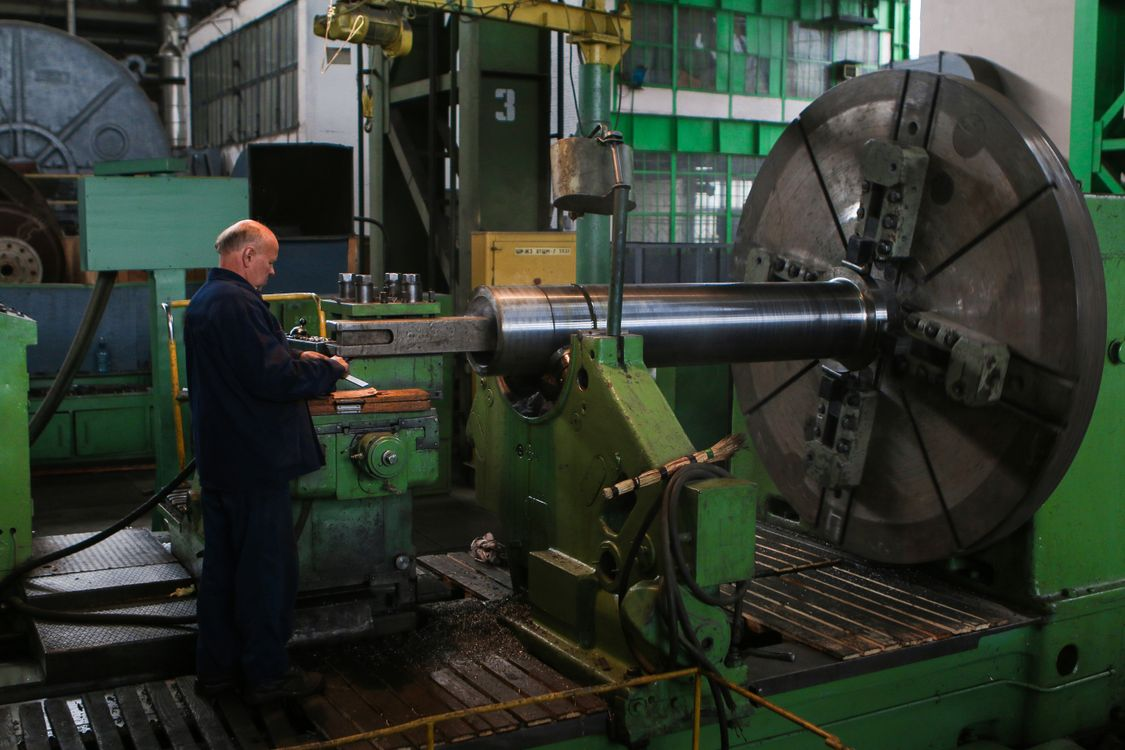
BWX Technologies has completed an approximately C$80 million expansion of its nuclear manufacturing facility in Cambridge, Ontario, adding 55,000 sq ft of production space and additional advanced manufacturing equipment.
The project has also increased the size of the site's commercial nuclear cleanroom by 40%, strengthening the company's capacity to manufacture large components for reactor refurbishment and new nuclear generating programmes.
Completed in November following construction work that began in 2024, the investment is supporting major projects across Canada's nuclear industry, including replacement steam generators for Pickering Nuclear Generating Station and the reactor pressure vessel for the Darlington small modular reactor.
BWXT has already created approximately 200 long-term skilled positions through the expansion. The company intends to recruit a further 200 employees in Cambridge over the following year as its manufacturing requirements increase.
The additional positions span engineering, advanced welding, metallurgy, robotics, precision machining and digital manufacturing, reflecting the range of specialist activities involved in producing nuclear components.
Large nuclear manufacturing projects require facilities capable of handling substantial structures while maintaining precise control over materials, fabrication processes and inspection.
A component's dimensions and weight influence the equipment needed throughout production. Heavy structures may require specialist lifting arrangements, large machining systems and sufficient space for workers and inspection equipment to access the assembly.
The relationship between successive manufacturing operations also affects factory capacity. Material preparation, forming, welding, machining and examination must be organised so that components can progress through production without unnecessary delays or handling.
Additional floor space can provide more room for equipment and the movement of major assemblies, although the resulting increase in completed output depends on available machinery, manufacturing processes and qualified personnel.
BWXT has not published a revised annual production figure for the Cambridge facility. The 55,000 sq ft extension therefore establishes an increase in manufacturing space rather than a quantified increase in finished components delivered each year.
The cleanroom expansion adds another element to the site's production capability. Controlled manufacturing environments are used where airborne contamination and the condition of components must be managed according to defined operating requirements.
The applicable controls may include procedures for personnel access, cleaning, material transfer and the maintenance of environmental conditions. Their requirements depend on the components and manufacturing activities performed within the controlled area.
BWXT describes its Cambridge installation as the world's largest commercial nuclear cleanroom. Its 40% enlargement is a company-reported increase in cleanroom size; a detailed revised floor area and classification have not been disclosed.
Cleanroom capacity should also be distinguished from the total production capacity of the facility. Components manufactured elsewhere on the site may require different environmental controls, manufacturing equipment or inspection arrangements.
The company's current workload includes an order to manufacture 48 steam generators for the life extension and refurbishment of the Pickering Nuclear Generating Station.
Steam generators perform a heat transfer function within a nuclear generating system. They transfer thermal energy between separate fluid circuits while maintaining the required separation between those circuits.
Manufacturing these components involves pressure-containing structures and internal assemblies that must meet demanding mechanical and materials requirements. Welding, dimensional control and examination are necessary to establish that the completed equipment conforms to the approved specifications.
The manufacturing process can involve extensive preparation before final assembly. Large components must be formed or machined to the required geometry, while joining operations must be planned around access, material characteristics and the sequence in which assemblies are produced.
Inspection is integrated throughout the manufacturing process rather than restricted to a single examination after completion. The applicable procedures and acceptance criteria depend on the component design and the standards governing its manufacture.
BWXT is also producing the reactor pressure vessel for the Darlington small modular reactor. This component performs a different function from the steam generators being manufactured for Pickering.
The reactor pressure vessel provides a principal structural and pressure boundary for the reactor system. Its manufacture requires specialised fabrication and inspection, together with records establishing the materials and processes used.
Such records support traceability throughout production. Materials, manufacturing operations and inspection results must remain associated with the correct component so that conformity can be demonstrated against the applicable requirements.
Non-destructive examination techniques can be used to inspect suitable features without cutting open or damaging the component. The inspection method must be selected according to the material, geometry and characteristics requiring examination.
Large nuclear manufacturing programmes also require coordination with the schedules of the wider project. Components may be ordered and manufactured years before installation, while delays during fabrication or inspection can affect subsequent construction activities.
Ontario is undertaking a substantial programme of reactor life extension and new construction. The province's plans include refurbishment work extending the operating lives of existing units and construction of the Darlington small modular reactor.
These programmes create demand across a network of engineering suppliers providing specialist materials, components, inspection services and manufacturing expertise.
BWXT's Cambridge operation is part of that supply network, supporting customers including Ontario Power Generation and Bruce Power. The facility has an established role in manufacturing and servicing equipment used in nuclear power generation.
The expansion was originally planned as an approximately C$80 million programme covering additional premises and advanced manufacturing equipment. BWXT's earlier investment plans allocated approximately C$50 million to the building expansion and C$30 million to further equipment investment.
The completed development provides additional manufacturing infrastructure, but the effectiveness of that capacity will depend on the machinery installed, the production programmes undertaken and the availability of the required engineering workforce.
Recruitment and training are therefore connected to the physical investment. Advanced welding, machining and inspection operations require employees with the qualifications and experience appropriate to the equipment and components involved.
Increasing workforce numbers must be accompanied by the development of practical capability, particularly where production activities involve specialist processes or stringent quality requirements.
BWXT's approximately 200 positions already created represent completed employment growth associated with the expansion. Its target for 200 further recruits remains a future objective rather than an achieved staffing increase.
The company also expects the completed facility to support projects involving conventional nuclear reactors and advanced reactor designs. Its ability to take on additional contracts will depend on the technical requirements of those programmes and the capacity available alongside existing commitments.
The C$80 million investment has enlarged the Cambridge manufacturing operation while extending its controlled production environment and equipment capability. With major Pickering and Darlington components already in its workload, BWXT will use the additional space and skilled workforce to support the next stages of Canada's nuclear construction and refurbishment programmes.