Octave Intelligence has completed its acquisition of US industrial software developer Cerebre, adding technology that connects engineering information with the changing configuration and operating conditions of industrial plants.
The transaction was completed on 11 November 2026 and financed through borrowing under Octave's revolving credit facility. The company subsequently confirmed completion in its quarterly regulatory filing, establishing that the acquisition had closed.
Cerebre develops software that brings together engineering schematics, plant data and specialist operational knowledge within a connected representation of an industrial facility. Its technology is deployed across more than 200 plants, principally serving major energy companies.
Octave intends to incorporate Cerebre's capabilities into its engineering and operations software portfolio, connecting records describing how facilities were designed and built with information reflecting their current operating state.
Large industrial plants accumulate engineering information throughout their operating lives. Drawings and equipment specifications describe the original design, while maintenance records, inspections and process measurements provide information about subsequent modifications and operating conditions.
These records are often maintained in different systems. An engineering drawing may be stored within a document management application, while equipment condition information is held in maintenance software and operating measurements are collected through control systems.
The relationships between those sources can be difficult to establish when identifiers, equipment descriptions or records have changed. A measurement may relate to an asset whose engineering information was created years earlier, before modifications altered its configuration.
Cerebre's software is intended to connect these sources through a structured model of the physical plant. The model relates equipment, engineering information and operating data so that individual records can be interpreted in the context of the facility they describe.
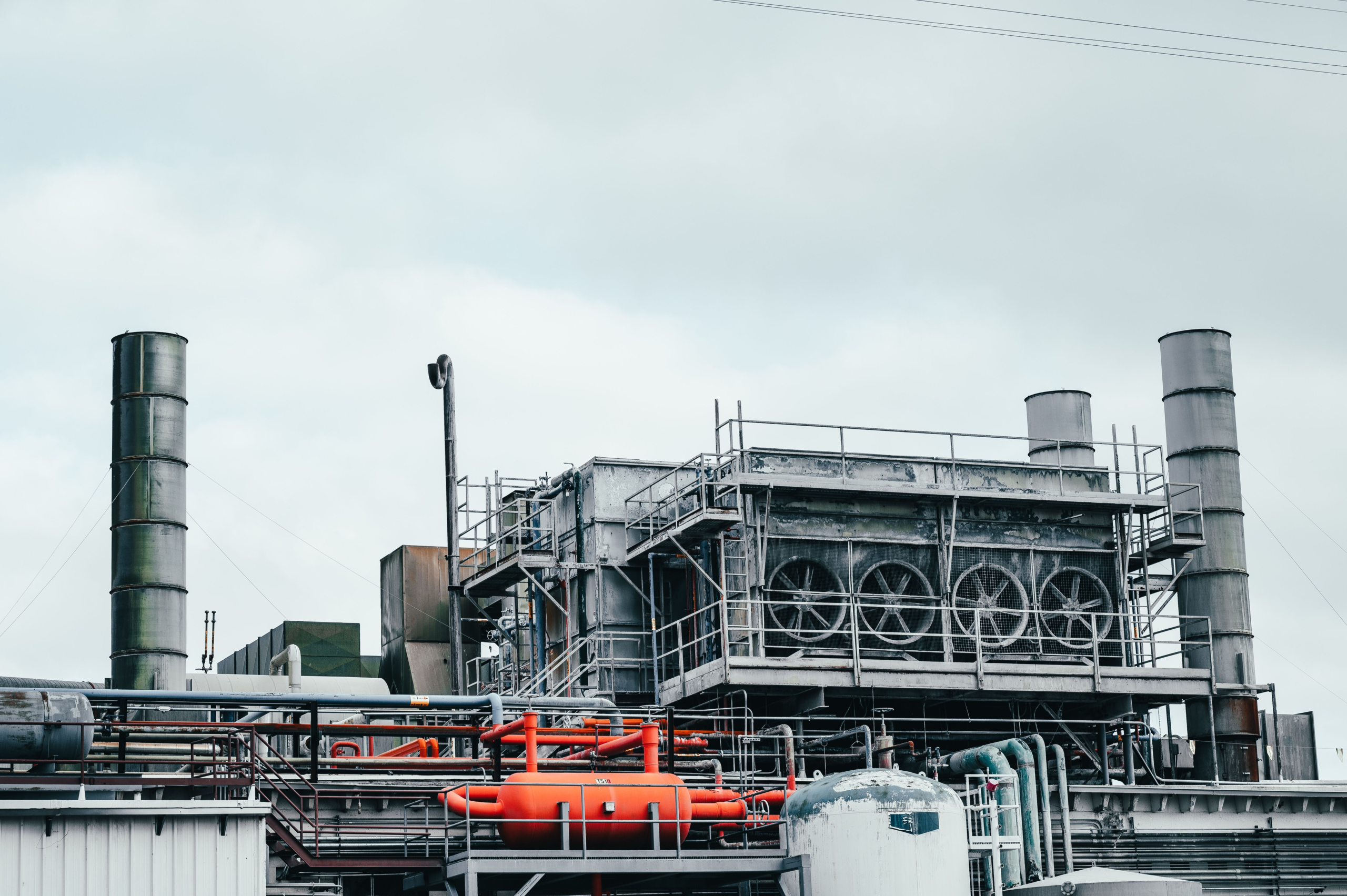
Such relationships are particularly important in established industrial installations. A refinery, chemical plant or energy facility may have undergone several modifications while retaining equipment and information systems introduced at different stages of its development.
Changes to process equipment can affect connected systems and associated records. Replacing a pump, modifying a process line or installing additional instrumentation may require engineering documents, maintenance information and operational models to be updated.
If those changes are not reflected consistently, an analytical application may use information that no longer corresponds to the installed equipment. The resulting assessment could be misleading even when the individual measurements are accurate.
A connected plant model provides a framework for maintaining relationships between the available information. Its value depends on the completeness of the records, the accuracy of equipment identification and the procedures used to keep the model current.
Cerebre's technology is designed to operate alongside existing industrial systems rather than requiring their wholesale replacement. Octave says customers will retain ownership of their plant models, allowing the information to be used with software from different providers.
Integration nevertheless requires engineering work. Equipment records must be matched with the relevant data sources, and differences between naming conventions or historical documents need to be resolved before information can be associated reliably.
The company's software is intended to preserve knowledge held by engineering and operational teams as well as information available in digital records. Plant personnel may understand relationships or operating constraints that are not fully represented in formal drawings or existing databases.
Capturing that knowledge can improve the usefulness of a plant model, although its accuracy must still be assessed against the physical installation and approved operating documentation.
Octave plans to use Cerebre as a foundation for industrial artificial intelligence applications. By providing a representation of equipment and its relationships, the model can supply context for software examining operational measurements and engineering information.
A temperature or pressure reading has limited significance without knowing which equipment it describes and the operating conditions under which it was recorded. The relationship between measurements and connected machinery may influence whether an observed value is expected or requires investigation.
Analytical software can use these relationships to examine information from several systems. The resulting assessment must still account for data quality, measurement uncertainty and changes in plant conditions that may not be fully represented.
Octave says reliability, process, inspection and operations teams will review the model and retain responsibility for final decisions. The proposed AI applications do not transfer engineering authority or operational control to an automated system.
Founded in 2019, Cerebre has developed its technology through deployments at major industrial operators. Octave reports that the existing installations cover more than 200 plants and incorporate billions of usable data points.
Those figures describe the reported scale of Cerebre's existing deployments. They do not establish how many additional facilities will adopt the software following its integration into Octave's platform.
Cerebre is expected to generate approximately $8 million in revenue during 2026, with most classified as annual recurring revenue. The figure is a forecast for the acquired business rather than a measured improvement produced by combining the two companies' software.
Octave has approximately 7,200 employees operating across 45 countries, with customers in industrial, engineering and infrastructure markets. Its established product portfolio provides potential routes for introducing Cerebre's plant modelling technology to existing software users.
In its quarterly filing dated 12 November, Octave confirmed that the transaction was funded through its revolving credit facility. The company borrowed $125 million on 9 November for the acquisition, although this borrowing figure should not automatically be treated as the final purchase price.
The purchase price allocation had not been completed when the filing was prepared. Octave also stated that the acquisition was not expected to have a material effect on its reported results of operations.
Further integration will determine how Cerebre's models are made available through Octave's engineering and operations products. The company has said additional details of its combined offering will follow as part of its broader platform development.
The software's practical contribution will depend on the reliability of its plant information, the ability to maintain accurate equipment relationships and the applications built around the resulting model.
Octave has not published independently measured reductions in plant downtime, maintenance expenditure or engineering effort attributable to the integration. The completed acquisition adds an established plant modelling capability to its software portfolio, with the operational benefits to be assessed as customers adopt the combined technology.