The Department for Environment, Food and Rural Affairs has confirmed that qualifying glass drinks containers supplied directly to licensed hospitality venues will be exempt from packaging Extended Producer Responsibility fees from April 2027, following concerns over the cost of the scheme to British glass manufacturers and drinks suppliers.
The exemption will apply to glass containers sold directly by producers to pubs, restaurants, and other licensed hospitality premises. Separate changes to the wider packaging fee structure are being considered, including measures that could reduce annual charges for highly recyclable materials by up to 40%.
The distinction between the two measures is important. The direct hospitality exemption has an announced implementation date, while the proposed reductions associated with recyclability will be subject to further evidence gathering before the revised charges are determined.
Packaging Extended Producer Responsibility, commonly referred to as pEPR, requires qualifying producers to contribute towards the costs of managing packaging waste. The arrangements are intended to transfer more responsibility for waste management from local authorities to businesses placing packaging on the market.
Charges are influenced by the type and weight of packaging supplied. For glass manufacturers and their customers, the relationship between material weight and the resulting fee has become a significant point of contention.
Glass bottles can be heavier than containers manufactured from some alternative materials, increasing the charge associated with an individual item under a weight-based calculation. However, container mass does not alone determine its recyclability or the environmental performance of the complete packaging system.
Glass can be collected, sorted, remelted, and used to manufacture new containers, provided that the recovered material meets the required quality specifications. The proportion successfully returned to container production depends on collection arrangements, contamination, sorting performance, and available recycling capacity.
Manufacturing processes also influence the overall result. Glass production requires raw materials and recycled glass, known as cullet, to be melted at high temperatures before the material is formed into bottles or jars.
Increasing the proportion of suitable cullet can reduce the need for virgin raw materials and lower the thermal energy required for melting. The achievable benefit depends on the composition and quality of the incoming material, furnace technology, and the manufacturing conditions.
Packaging purchasers therefore assess several characteristics when choosing between container formats, including production costs, mechanical performance, product protection, transportation requirements, and waste management charges.
British Glass has argued that an approach which does not sufficiently account for recyclability can disadvantage glass, particularly where the material competes with lighter packaging formats.
The Government intends to address part of that concern through further work on the fees paid for materials that can be readily collected and recycled. Glass and paper have been identified as potential beneficiaries, while formats that are more difficult to recycle could face comparatively higher charges.
These changes have not yet been translated into a final fee schedule. The potential reduction of up to 40% is an estimate of what the revised approach could achieve, not a confirmed discount that manufacturers can immediately apply to their packaging costs.
The hospitality exemption addresses a different issue involving commercial waste collection. Drinks containers supplied to pubs and restaurants may enter waste streams managed through collection services that those businesses already purchase commercially.
The Government has acknowledged concerns that packaging fees can create overlapping costs where businesses contribute through the producer responsibility scheme while also paying for commercial collection arrangements.
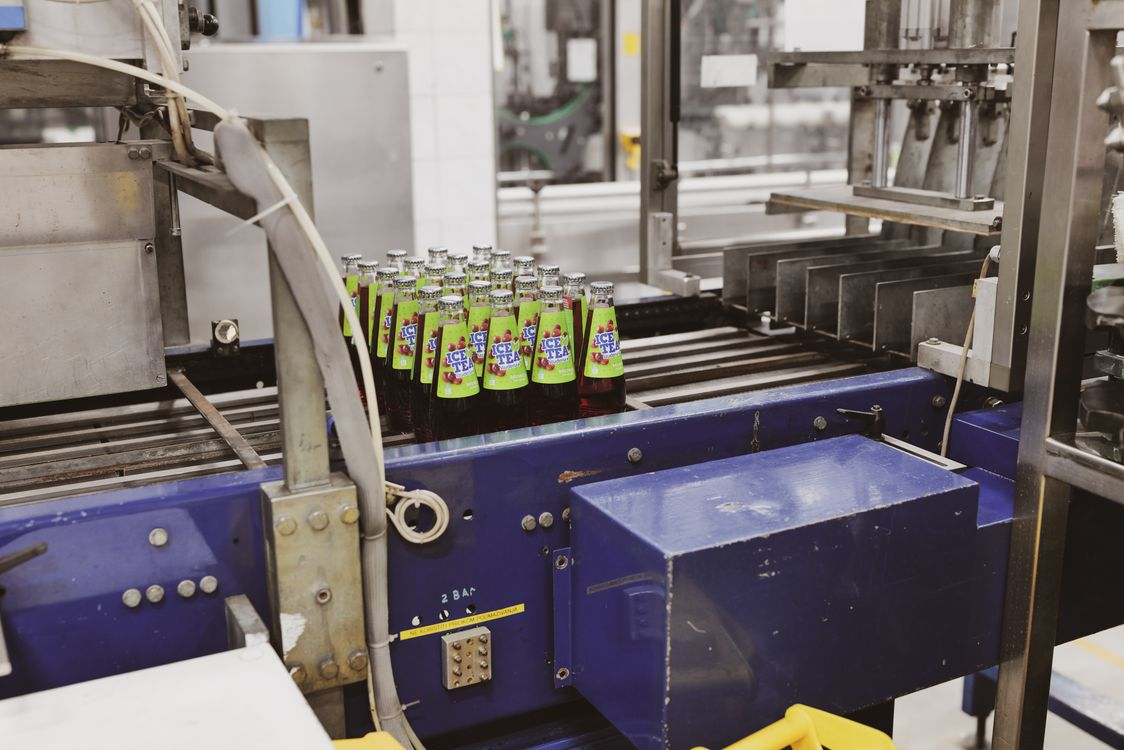
Removing the relevant pEPR charge from qualifying directly supplied glass containers is intended to reduce that overlap. The Government estimates possible savings of up to six pence per beer bottle and ten pence per wine bottle in the circumstances covered by its calculations.
Actual savings will depend on the containers concerned, the way they are supplied, and the extent to which changes in producer costs are reflected in commercial prices. The announcement does not establish that every hospitality business will experience an identical reduction.
The direct supply requirement also means that the exemption will not automatically cover every bottle arriving at a licensed venue. Drinks supplied through wholesalers or other intermediaries may fall outside the initial arrangement.
Andy Bagnall, director general of the British Soft Drinks Association, welcomed the action on direct supply but called for further work on indirect distribution. The association wants the Government to develop an approach capable of addressing those additional supply arrangements.
Hospitality operators using leased or tenanted business models have raised similar concerns about whether the benefits will reach their premises. The British Beer and Pub Association has urged ministers to ensure that the wider structure of the trade does not prevent eligible businesses from benefiting.
Nick Kirk, executive director of British Glass, said the measures recognised the industry's importance and the need for fairer packaging fees. The trade body also expects further work to establish a charging structure that better reflects the recycling characteristics of different materials.
Packaging fees form only one component of the costs facing British container manufacturers. Glass production relies on continuous, high-temperature furnace operations, and decisions about furnace replacement or capacity expansion involve substantial capital expenditure.
Energy prices, raw material availability, labour costs, and competition from imported containers also influence the economics of domestic production. Changes to packaging fees may affect customer purchasing decisions but will not remove these other manufacturing pressures.
Alongside the pEPR reforms, the Government has pointed to two ongoing Trade Remedies Authority investigations concerning imported glass containers. One examines alleged dumping of Chinese-origin products, while the other concerns possible subsidies affecting containers originating in Turkey.
A provisional anti-dumping measure covering certain Chinese glass imports took effect on 9 September 2026. Both investigations remain open, and their final outcomes will be determined separately from the packaging policy changes.
Further proposals are scheduled for examination over the coming months. The Government plans a call for evidence on larger-scale packaging reuse during December, followed by a PackUK call for evidence on producer packaging fees in early 2027.
Reuse systems require their own collection, inspection, washing, and transport infrastructure. Their environmental and commercial performance depends on how frequently containers are returned and reused, alongside the material, energy, water, and transport requirements of the complete system.
Defra maintains that producers should continue contributing towards packaging waste management. It reports that £1.4 billion has already been provided to councils through the scheme to support recycling services.
Manufacturers will now need to distinguish the confirmed hospitality exemption from the broader reforms still being developed. The April 2027 change provides a defined date for qualifying direct supplies, while the eventual treatment of recyclable packaging materials will depend on the consultations and fee methodology that follow.