Geothermal Engineering Limited is planning around £43 million of investment in a Cornwall lithium extraction facility as the UK attempts to expand domestic supplies of a material central to electric vehicle battery production.
The project has received an offer in principle of nearly £10 million through the government’s DRIVE35 Automotive Transformation Fund. The support remains subject to due diligence and final approvals, so the public contribution is not yet completed funding. GEL expects the project to create almost 50 direct jobs and support around 80 additional positions through the supply chain.
Commercial production is targeted for 2029, when the facility is expected to produce around 1,500 tonnes of technical-grade lithium carbonate annually from geothermal brine beneath Cornwall. The government estimates that volume would contain enough lithium for more than 180,000 typical electric vehicle batteries, although downstream processing, customer specifications, qualification, and battery chemistry will determine how the material is eventually used.
Technical-grade lithium carbonate sits upstream of finished battery cells. Extraction is followed by purification, refining, conversion, cathode material production, cell manufacture, and pack integration, so a domestic extraction project can reduce exposure at the raw material stage without recreating every processing step required between a mineral resource and an automotive production line.
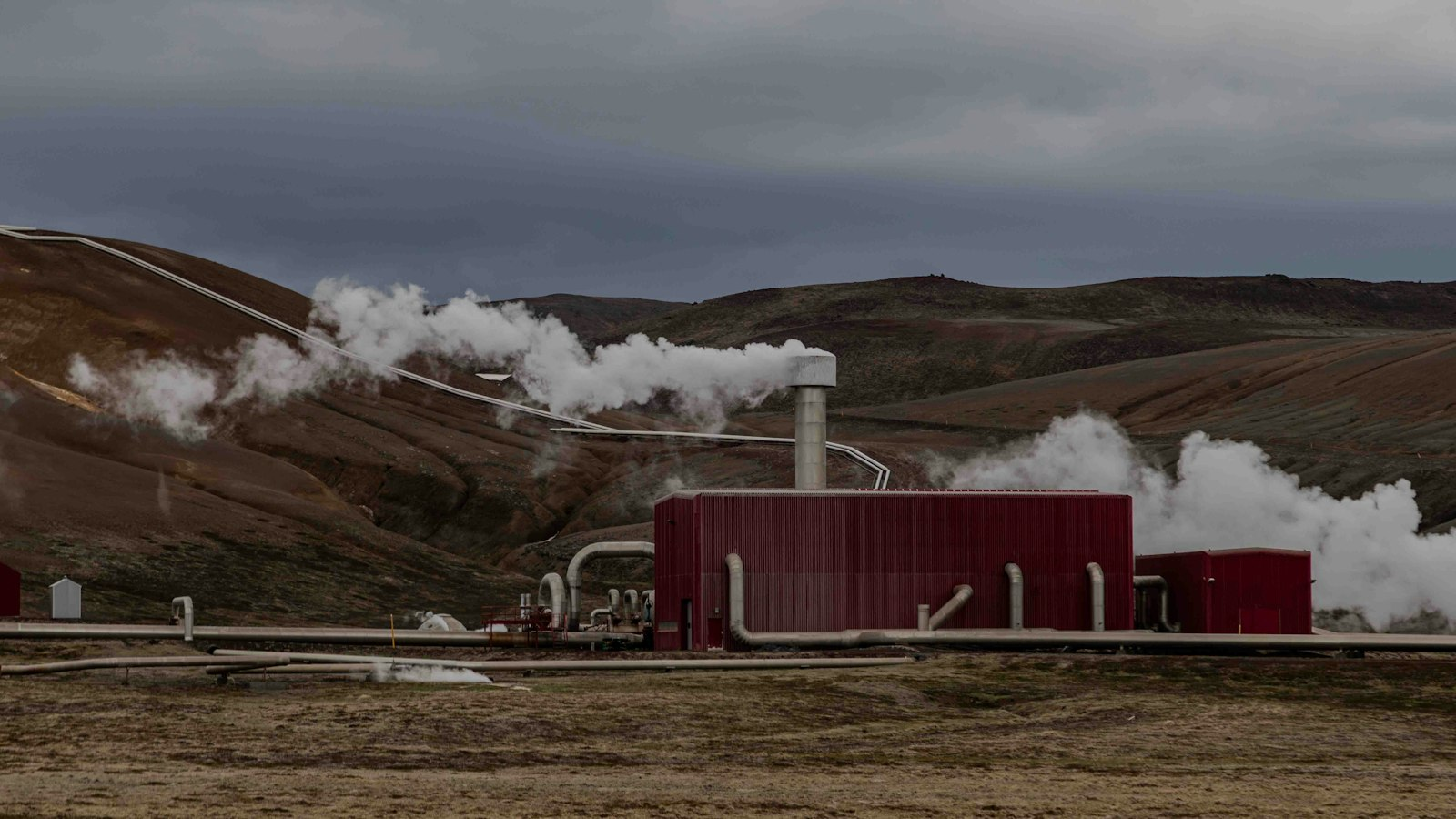
GEL’s route is based on geothermal brines rather than a conventional hard-rock lithium mine. The company has developed geothermal power and lithium activity at United Downs in Cornwall, where electricity generation and critical mineral extraction are being pursued from the same underground resource. Existing work includes a lithium demonstration plant, giving the planned commercial facility an operating development base ahead of construction.
The Cornwall project forms part of a wider effort to push more capital into battery and vehicle manufacturing supply chains. DRIVE35 is a £4 billion programme running to 2035, spanning research, development, industrialisation, and manufacturing investment associated with the transition to zero-emission vehicles.
Earlier rounds have supported projects covering materials, electric drivetrains, automated manufacturing, and vehicle technology. Previous DRIVE35 awards have focused on moving vehicle technologies towards repeatable production, while the Cornwall scheme extends the same industrial policy further upstream into critical mineral supply.
The latest package sits alongside a £185 million investment in Tees Valley Lithium, which has received an offer in principle of £18.3 million through DRIVE35. Together, the government says the Cornwall and Teesside projects could unlock nearly £230 million of private investment. The two developments address different stages of the lithium chain, but both are intended to increase the amount of processing carried out inside the UK.
Government projections put lithium demand growth at 1,100% by 2035, driven largely by transport, energy storage, and other electrified applications. Forecast demand does not remove the commercial risks attached to new extraction capacity. Projects still have to complete engineering, secure approvals, prove product quality at volume, and establish customers willing to qualify domestic output against mature international suppliers.
GEL says the Cornwall facility could ultimately scale beyond its initial 1,500-tonne annual output into production measured in tens of thousands of tonnes. That is a longer-range option rather than capacity committed for 2029, and any expansion would depend on resource performance, plant operation, financing, customer demand, and the economics of additional processing capacity.
The extraction method also places attention on process integration. Recovering lithium from geothermal fluids has to coexist with the energy system that brings hot brine to the surface and returns fluids underground. Pumps, separation equipment, chemical treatment, heat management, corrosion control, and water chemistry all influence whether the combined operation can maintain output without compromising either power generation or mineral recovery.
The project also has to demonstrate that the extraction route can maintain output as brine chemistry changes over time. Commercial operation will depend on repeatable recovery, manageable reagent use, equipment reliability, and control of impurities, because downstream customers will judge the material on consistency as well as origin. Those operating results will influence whether the initial plant can justify the larger expansion GEL has outlined.
Before commercial production begins, the project still has to complete funding approvals, engineering, construction, commissioning, and product qualification. Those steps will determine whether the £43 million programme can turn a demonstrated extraction route into consistent industrial output by 2029 and whether the first 1,500 tonnes provide a platform for the larger-scale production GEL is targeting later.