ABB will supply medium- and low-voltage switchgear for LKAB’s new sorting plant at Malmberget in northern Sweden, providing the main electrical distribution infrastructure for a facility designed to process 25 million tonnes of ore annually. Electrical installation is scheduled to begin in the second half of 2027, with the plant expected to enter operation during the second quarter of 2028.
The switchgear will distribute power across the new process plant and will be integrated with LKAB’s existing ABB Ability System 800xA distributed control system. That approach places the new electrical equipment within an automation architecture already familiar to the mine rather than creating a separate operating environment for power distribution.
LKAB is investing approximately SEK 6 billion in the replacement sorting plant, one of the largest industrial projects in Gällivare in recent years. The facility will replace an existing operation dating from the 1950s, which the mining company says has become constrained by age, available space, maintenance requirements, and variations in the crude ore entering the process.
The new plant is designed to handle 24 million tonnes of magnetite ore and one million tonnes of hematite each year. Sorting is the first stage of processing after extraction: crude ore is crushed and screened before magnetic separation removes waste rock and prepares the material for concentration and subsequent production of fines and pellets.
Power distribution is therefore a basic production dependency rather than an auxiliary installation. Crushers, conveyors, separators, ventilation equipment, pumps, control systems, and supporting services all depend on electrical supplies that can be protected, isolated, maintained, and restored without unnecessary interruption to the wider process.
Medium-voltage switchgear will supply the larger electrical loads, with low-voltage equipment distributing power further through the plant. In an operation intended to process tens of millions of tonnes annually, faults or maintenance work at this level can quickly become a production issue, making equipment availability and safe isolation central to the engineering specification.
Integration with System 800xA also reflects the increasing overlap between plant electrification and process automation. Bringing electrical status and process information into a common operating environment can support fault diagnosis, maintenance planning, and a more complete view of plant conditions, although the benefit depends on disciplined integration rather than connectivity for its own sake.
The replacement plant has been designed to improve process stability as well as add capacity. LKAB says the existing operation can struggle to use its full capability when raw-material quality varies, while the new plant is intended to maintain more predictable throughput across changing ore characteristics.
The project also includes equipment to remove steel fibre originating from rock reinforcement before it reaches downstream processes. Extracting that material earlier should reduce unnecessary wear later in the production chain, where stray steel can create maintenance problems in equipment designed primarily to handle mineral feed.
LKAB is preparing the new plant for possible future processing associated with apatite and critical minerals as well. The company has identified phosphorus and rare-earth extraction as potential future businesses, which gives additional value to a sorting operation able to separate and route material more selectively than the plant it replaces.
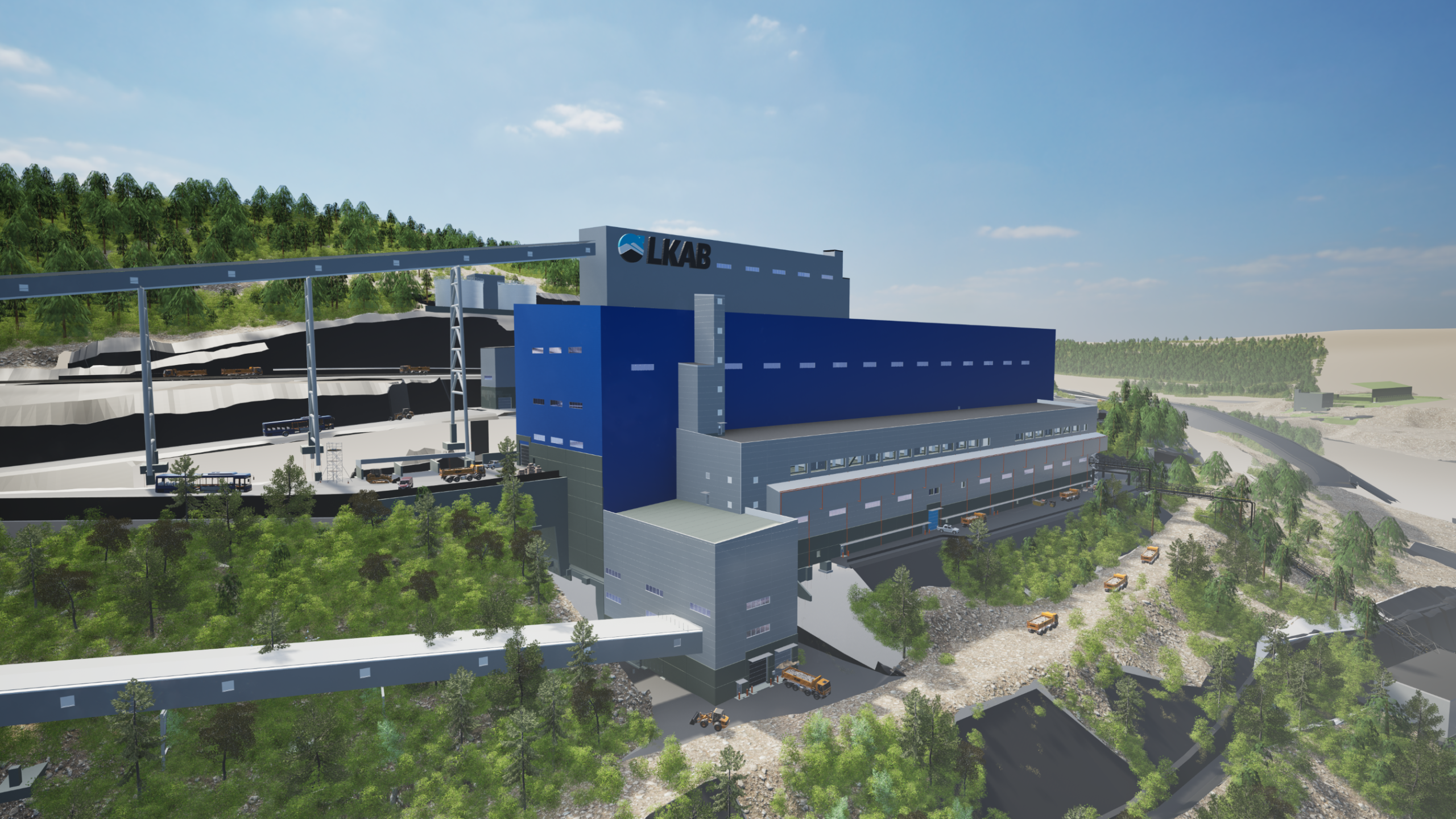
The physical scale extends well beyond the switchgear package. LKAB describes a main building approximately 210 metres long and 80 metres high, with around 27,000 square metres of building components, underground raw-material pockets, extensive process equipment, and substantial conveyor infrastructure. At peak construction during 2027, the company expects hundreds of people to be working on the project.
ABB’s equipment will consequently enter a crowded installation sequence involving civil works, structural steel, process machinery, cabling, ventilation, automation, and commissioning. Delivering switchgear is one part of the job; coordinating energisation and control-system integration with the rest of the plant will determine when that equipment becomes useful.
The order extends a relationship between ABB and LKAB spanning more than 80 years. Mining technology has changed considerably over that period, but the electrical requirement remains recognisable: large process loads have to run reliably, faults have to be contained, and maintenance has to be carried out without exposing workers or equipment to unnecessary risk.
The new sorting plant is expected to add roughly seven to eight million tonnes of annual crude-ore handling capability compared with the current installation. By the time it enters service in 2028, LKAB will have replaced a plant commissioned in an era when industrial automation meant something rather different. The new operation will still crush and separate rock; keeping all of it moving will depend on a much more integrated electrical system underneath.