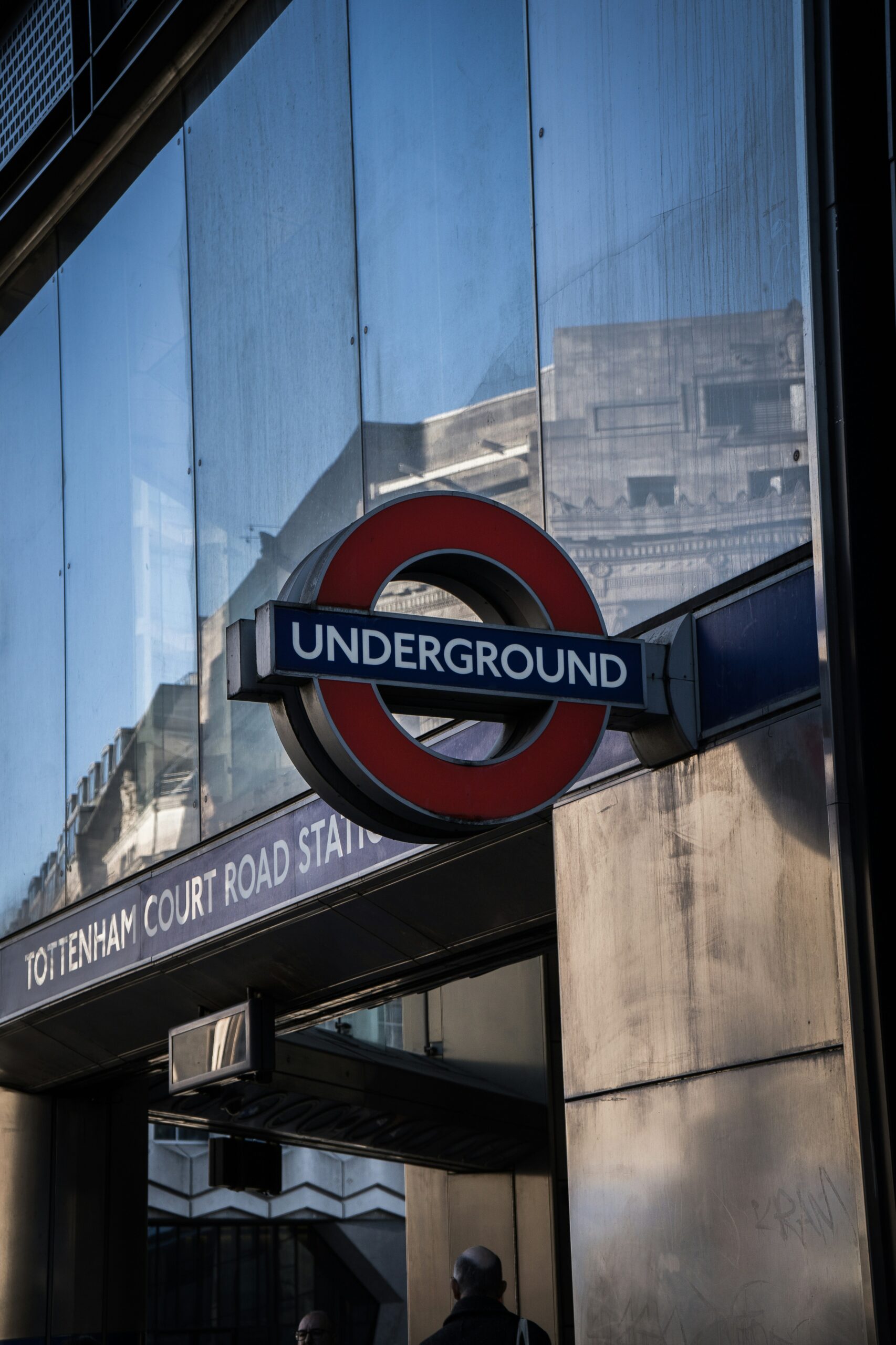
Journeo has secured £1.3 million of initial purchase orders for passenger-information displays and legacy-system upgrades across London’s Elizabeth line.
The work has been placed with subsidiary Infotec by GTS Rail Operations, which operates the line on behalf of Transport for London. The orders are the first awards under a letter of intent covering a wider programme valued at £2.55 million, with the remaining work still subject to final contract.
Infotec will provide platform displays and large-format summary arrays across 25 stations. The package combines new TFT screens and fine-pitch RGB LED technology with existing third-party equipment, all managed through a content-management platform using open industry standards.
The mixed-system approach avoids replacing serviceable assets simply because newer displays are being installed alongside them. Passenger-information estates can contain several generations of screens, controllers, communications equipment, and software, particularly on networks where individual stations and sections of infrastructure have been upgraded at different times.
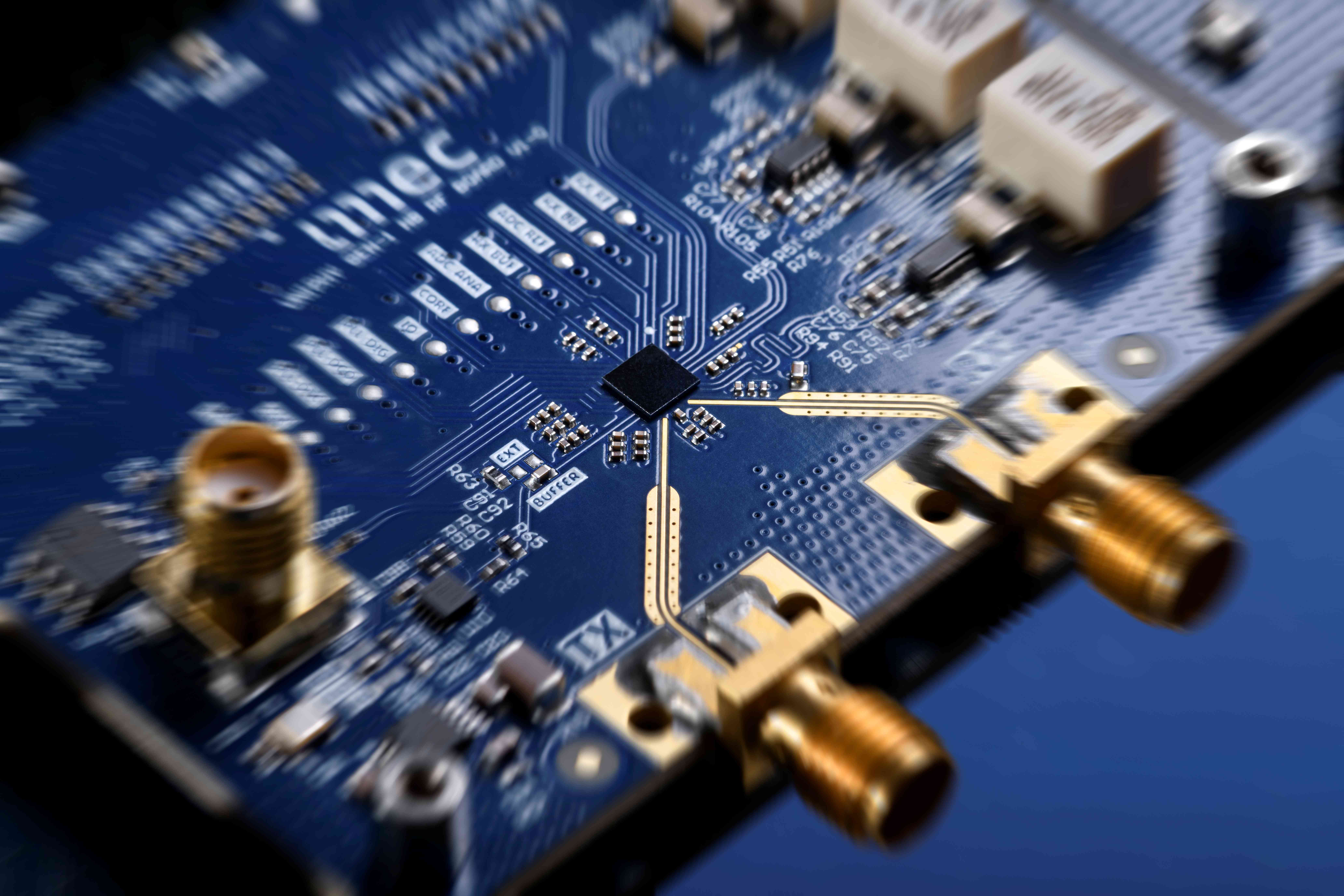
Journeo says its fine-pitch RGB LED mainboards can deliver image quality approaching TFT technology while reducing power consumption and extending operating life. For a railway operator, those characteristics affect more than the electricity bill: displays operate for long periods, maintenance access can be constrained, and equipment failures become visible immediately to passengers.
The ability to manage old and new equipment within the same information architecture is consequently a central part of the order. Open interfaces can reduce dependence on a single proprietary hardware generation, although they also place greater responsibility on integration, testing, and the quality of data exchanged between systems.
Russ Singleton, chief executive officer of Journeo plc, said: “Our open-standards solution combines new display technology with existing assets, avoiding proprietary lock-in and extending the life of legacy equipment.”
GTS Rail Operations is a joint venture between Go-Ahead Group, Tokyo Metro, and Sumitomo Corporation. It took over operation of the Elizabeth line on 25 May 2025, succeeding the previous operating structure while Transport for London retained responsibility for the wider railway.
The order also gives Infotec a defined UK rail project at a time when Journeo has described domestic rail spending as subdued. In its 2025 results, the group said Control Period 7, which runs from April 2024 to March 2029, had been affected by the transition towards public ownership and associated changes in the industry’s spending plans.
Journeo said activity had begun to increase as Control Period 7 matured, with Network Rail and operators directing more funding towards lifecycle refresh. The Elizabeth line order fits that pattern more closely than a greenfield technology installation because much of the work involves combining replacement equipment with assets already in service.
Infotec generated revenue of £8 million during 2025, down from £12.4 million a year earlier following completion of a major New York subway programme. The company nevertheless entered 2026 with most of $10.2 million of US purchase orders received during 2025 still scheduled for delivery.
That gives the business two different display markets to manage: large international programmes where new variants can be developed for a defined customer, and UK lifecycle projects where integration with an existing estate is often the harder engineering constraint.
Journeo has invested more than £10 million in research and development during the past five years across its wider transport-technology portfolio. Its information-systems business covers the design, manufacture, installation, and support of passenger displays for bus and rail applications, alongside the content-management systems used to control them.
A modern passenger display is only the visible end of that chain. Useful information depends on reliable data feeds, communications, control software, asset monitoring, and a system capable of continuing to serve passengers when individual components or links fail. New screens cannot compensate for poor upstream information, while good data has limited value if ageing displays are unreliable or difficult to maintain.
The Elizabeth line programme therefore gives Journeo an opportunity to demonstrate whether open standards can simplify a mixed technology estate rather than merely add another layer to it. Extending the useful life of legacy hardware can reduce replacement cost, but only if compatibility does not create a growing support burden elsewhere in the system.
For now, only the initial £1.3 million has been ordered. Conversion of the remaining programme will depend on the final contract, while installation across 25 stations will provide the practical test of how well the new and existing assets operate together under live railway conditions.