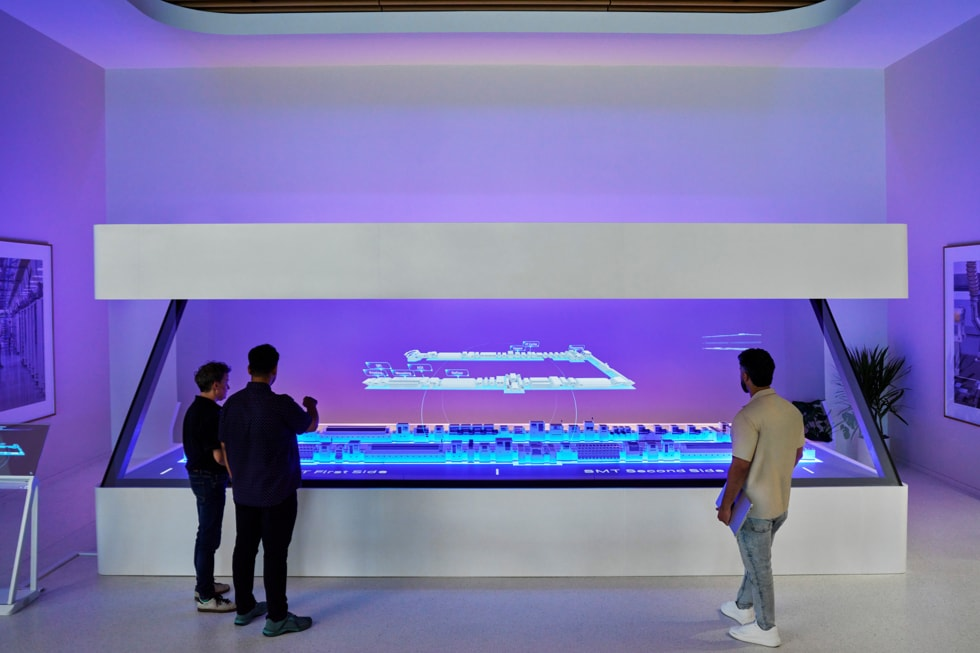
Heron Power will invest more than $100m in its first large-scale manufacturing facility, converting a former 286,000-square-foot distribution warehouse in Morgan Hill, California, into a factory for medium-voltage power electronics.
The site will manufacture Heron Link, a 5MW power conversion system intended for large-scale energy and data centre projects. Heron has designed the factory for eventual output of up to 10,000 systems a year, equivalent to more than 40GW of annual equipment capacity if the plant reaches its stated maximum.
Site preparation is beginning immediately, with mass production scheduled to start in late 2027. The company expects to invest more than $100m and create over 600 jobs across manufacturing, engineering, operations, and supporting functions.
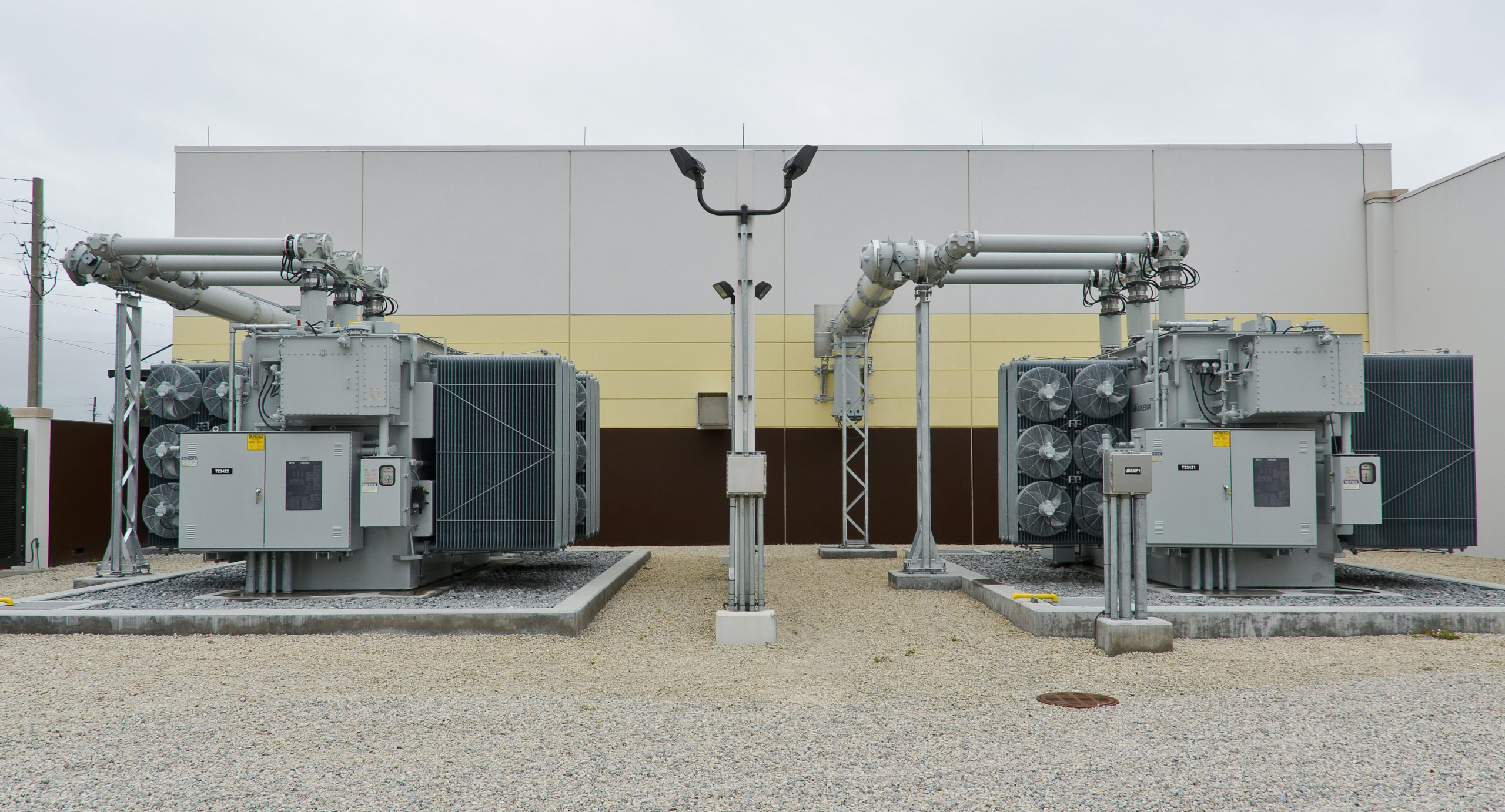
Heron Link is based on software-controlled semiconductor power electronics rather than a conventional arrangement assembled from several separate pieces of grid equipment. The company says the system is designed to allow renewable generation, batteries, and data centre projects to connect at medium voltage while reducing the amount of conventional transformer and conversion equipment required.
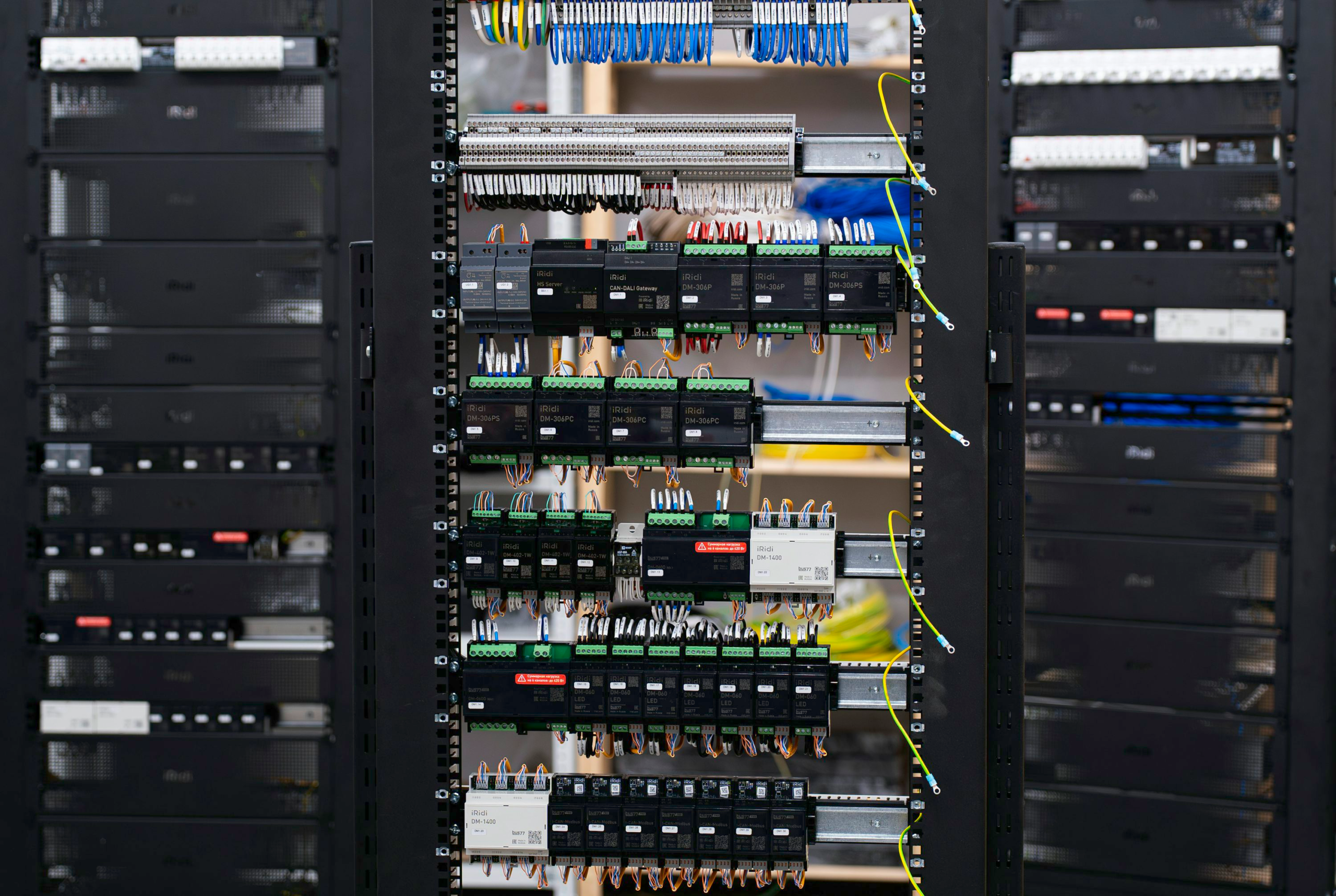
The manufacturing scale being proposed is notable because high-power conversion equipment is not simply an electronics assembly exercise. A 5MW unit combines semiconductor switching, control hardware, thermal management, insulation, busbars, enclosures, protection, communications, and high-voltage interfaces within equipment expected to operate continuously in critical infrastructure.
Producing those systems repeatedly at volume requires manufacturing controls that extend well beyond component placement. Electrical clearances, insulation performance, cooling interfaces, torque settings, firmware configuration, traceability, and final high-voltage testing all have to remain consistent between units whose failures could remove several megawatts of load or generation from service.
Heron’s decision to create a large production site comes as electricity demand is being reshaped by data centres, electrification, battery storage, renewable generation, and electric vehicles. Those changes are increasing demand not only for generating capacity but also for transformers, switchgear, converters, protection equipment, and other hardware required to connect new resources and loads.
The company argues that the US remains heavily dependent on imported critical grid equipment, including transformers and inverters. Its release puts the imported share above 80%, framing the Morgan Hill project as an effort to increase domestic manufacturing capacity while introducing a different equipment architecture.
The 40GW figure needs to be read as design capacity rather than a production forecast. A factory capable of assembling 10,000 systems does not automatically have orders for 10,000 systems, and reaching that output will depend on customer adoption, product qualification, supplier capacity, workforce recruitment, yield, and the pace at which production equipment is commissioned.
Those constraints are particularly relevant for equipment entering utility and data centre infrastructure. Customers typically expect long operating lives, documented fault behaviour, certification, spare-parts support, software maintenance, and confidence that a manufacturer can service equipment years after installation.
Heron selected Morgan Hill after evaluating sites in several states during a ten-month process involving the city, PG&E, state organisations, and property adviser JLL. The project is supported by a $26.4m California Competes tax credit administered by the state’s economic development office.
Keeping the factory close to Heron’s engineering base should shorten the feedback loop during the first production ramp. Early high-volume manufacturing commonly exposes problems that are less obvious during prototype assembly, including supplier variation, test time, awkward assembly sequences, component access, and tolerances that are technically acceptable but difficult to hold consistently.
The use of an existing distribution building can reduce the construction work associated with a greenfield factory, but the warehouse still has to become an electrical manufacturing site. Production cells, incoming power, specialist test areas, material handling, environmental controls, safety systems, tooling, and commissioning infrastructure will have to be installed before series manufacture begins.
The planned employment figure suggests a substantial production operation rather than a highly automated line staffed mainly by engineers. Heron expects roles across manufacturing, engineering, and operations, reflecting the mix of assembly, testing, industrialisation, quality, and technical work required as the product moves from development into volume production.
Mass production is targeted for late 2027, giving the company little more than a year to turn a logistics building into a factory capable of producing megawatt-scale electrical equipment. That schedule will test building conversion, supplier readiness, process design, recruitment, and product qualification in parallel.
Heron Factory One gives the company the physical capacity needed to move beyond small-volume manufacture. The more difficult industrial milestone will come after the equipment is installed: demonstrating that 5MW semiconductor-based power systems can be built repeatedly, tested efficiently, and supported with the reliability expected from the grid hardware they are intended to replace.