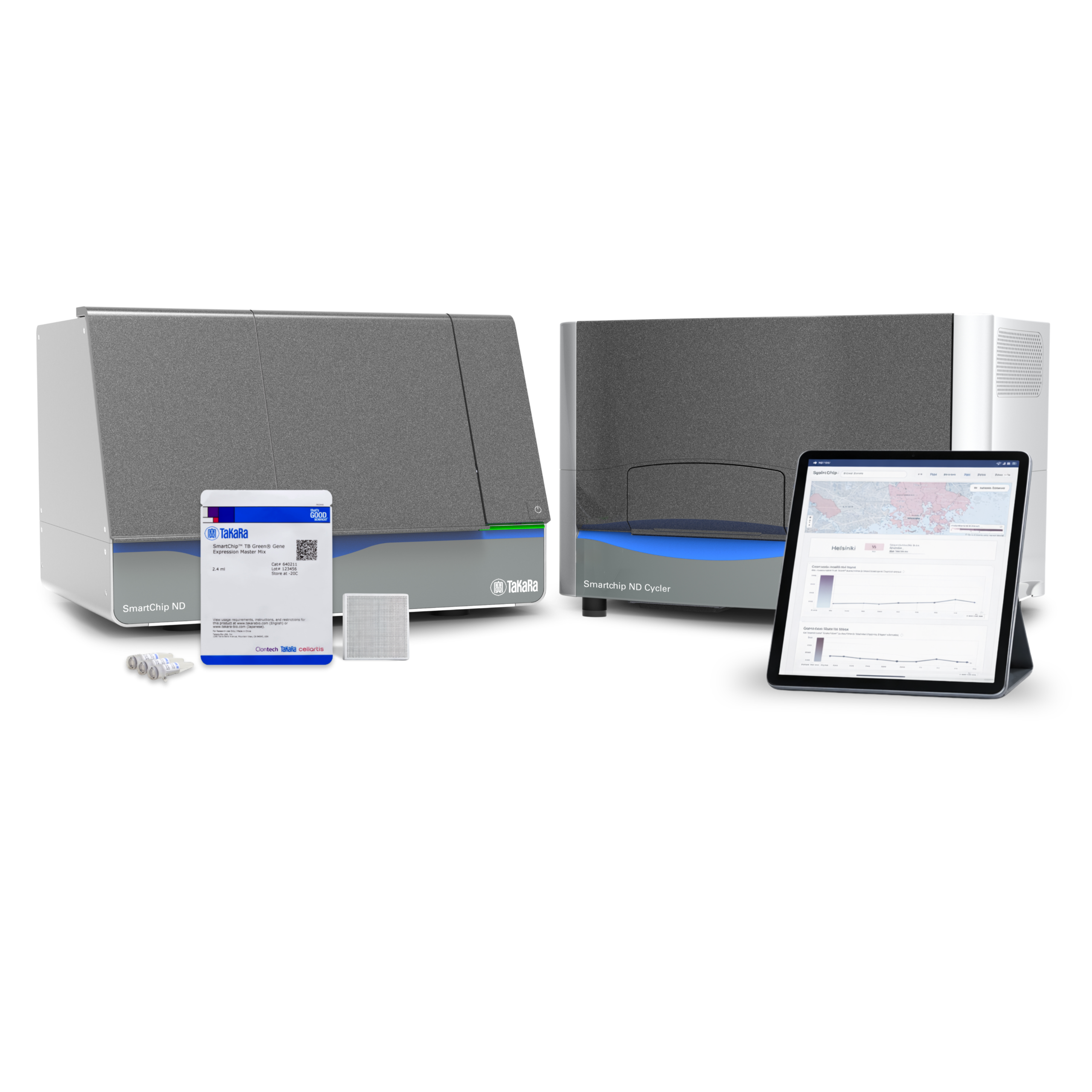
Takara Bio and Resistomap have expanded their collaboration around environmental antimicrobial resistance surveillance, with the two companies combining high-throughput qPCR instrumentation and cloud-based analytics in a more integrated workflow.
The agreement centres on the SmartChip Biosecurity Platform, which pairs Takara Bio’s SmartChip ND Real Time PCR System with Resistomap’s software platform for AMR analysis and reporting. The companies said the aim is to simplify end-to-end monitoring from environmental samples while increasing throughput and reducing the cost and complexity associated with current workflows.
Environmental AMR surveillance has become a more prominent part of the wider One Health agenda, covering water, wastewater, farms, animals, food systems, and other environmental pathways linked to antimicrobial resistance. Standardisation remains a challenge, particularly where sampling volumes, assay breadth, and data interpretation vary between projects and regions.
Windi Muziasari, Founder and CEO of Resistomap, said: “AMR goes beyond the clinic. It moves through water, wastewater, farms, animals, food systems, and the environment. Without environmental surveillance, One Health AMR action is incomplete.”
Takara Bio said the SmartChip ND system can generate 5,184 data points in a single run and process hundreds of samples and assays in parallel. Resistomap’s software is designed to interpret that output through several reporting views, including antibiotic resistance gene indexing, comparative health risk analysis, gene reduction tracking, and gene-level exploration.
The platform also includes the SmartChip ByDesign AMR 96 Kit, which targets 96 AMR-related genes, pathogenic bacteria, mobile genetic elements, and microbial source tracking markers. The companies said further ByDesign kits are in development for more region-specific and target-focused applications.
The partnership adds to a growing push for surveillance tools that can move beyond isolated lab studies and support repeatable monitoring programmes across environmental and public health systems.