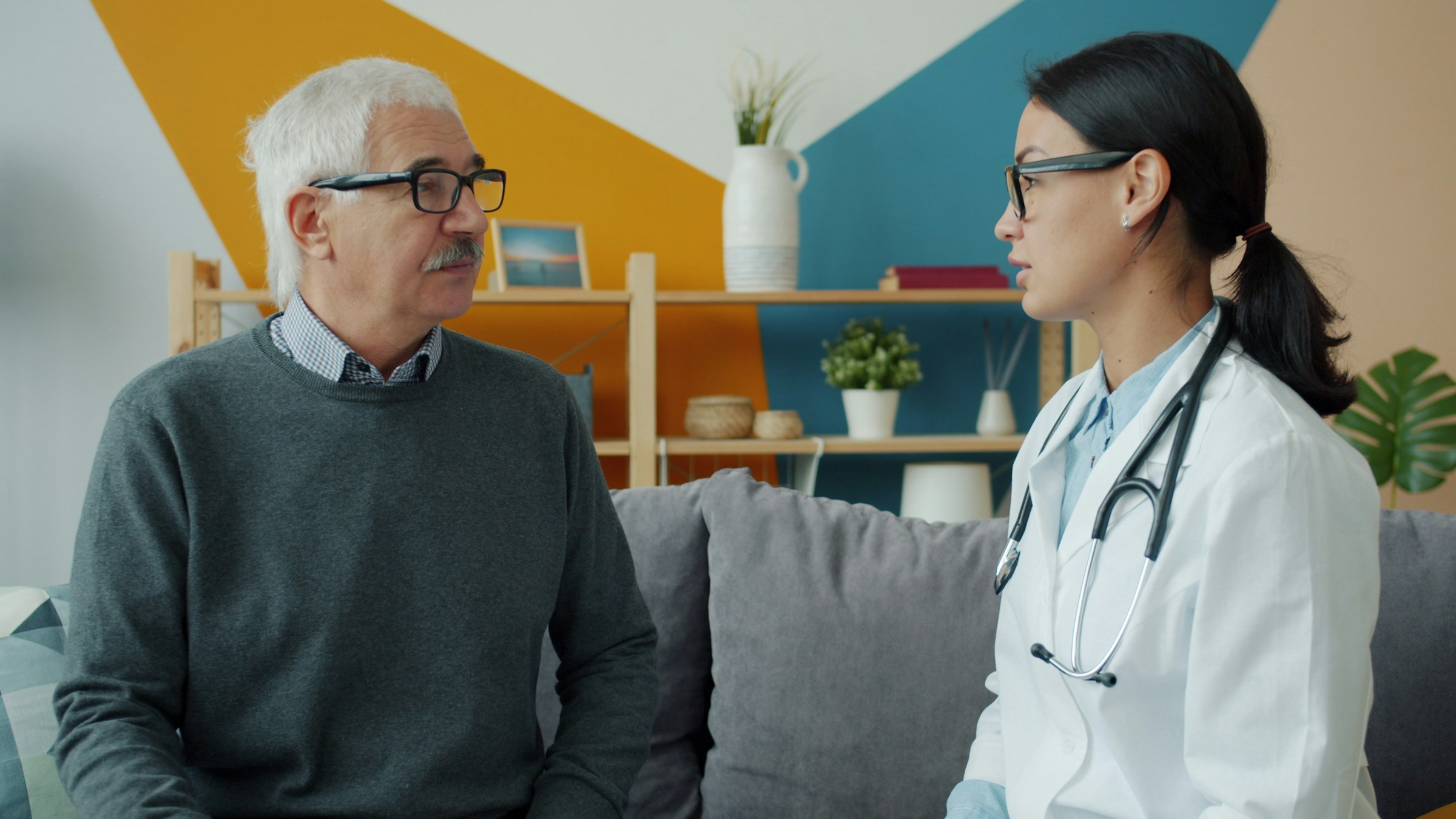
Picker, the international research charity, has coordinated a global study indicating that better communication between healthcare teams and people living with leukaemia is associated with improved quality of life. Published in Cancer Control, the research analysed responses from 2,260 patients across 64 countries and adds fresh weight to the argument that care quality is shaped not only by treatment pathways, but by how diagnosis, decisions, and side effects are explained.
The study used a prospective cross-sectional online questionnaire and a validated haematological malignancy patient-reported outcome tool to examine the relationship between quality of life, demographics, disease characteristics, and clinician-patient communication. Patients who said their diagnosis was explained clearly, that they were involved in treatment decisions, and that communication was handled sensitively reported better overall wellbeing. The findings also pointed to isolation, depression, and disease-related anxiety as key predictors of poorer quality of life.
One of the sharper results concerned age. Younger adults aged 18 to 25 reported the highest emotional and physical burden, a finding that runs against parts of the existing literature, where older cancer patients often report poorer outcomes. The study also found that people with acute leukaemia carried a heavier burden than some other patient groups, suggesting that age, disease type, and psychosocial support needs cannot be treated as secondary issues in care planning.
Samantha Nier, lead author, said: “People with leukaemia often feel worried and alone. Our work shows that clear information and sensitive conversations may help people feel more in control of their care. Listening carefully, involving patients in decisions, and offering emotional support could make a real difference to their wellbeing.”
The paper stops short of making a causal claim. Because the work was cross-sectional, it identifies associations rather than proving that better communication directly improves quality of life. The authors also note that the results are likely to reflect the experiences of people who were sufficiently connected, digitally included, or engaged with advocacy groups to take part in the survey. Even so, the scale and spread of the study give the findings practical weight.
The authors argue for routine psychological distress screening, stronger communication training for healthcare professionals, and more targeted psychosocial support for younger patients and people with acute leukaemia. The full paper is available via the journal publication.