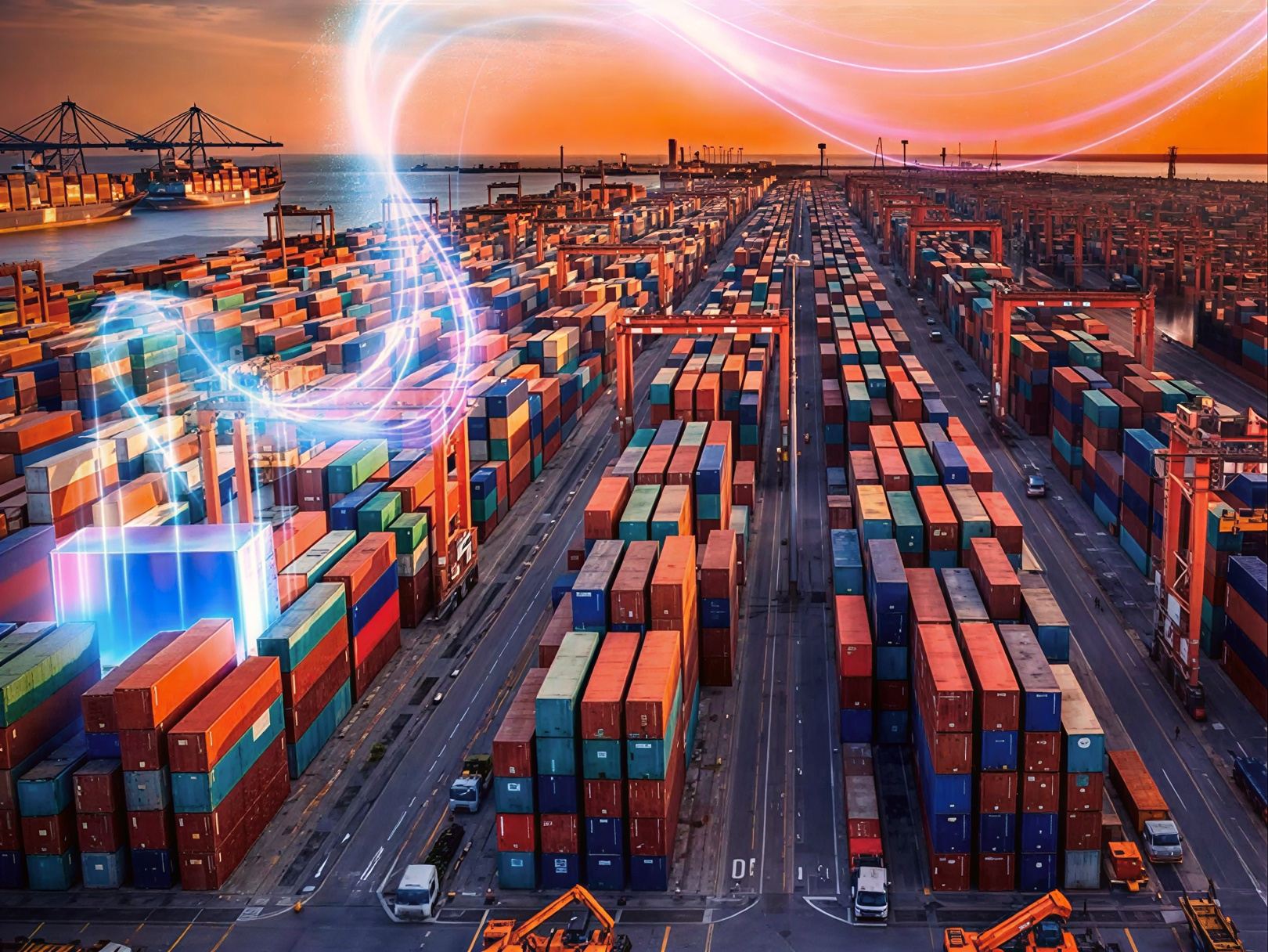
IFS has launched IFS.ai Logistics, extending its Industrial AI proposition into transport planning, execution, freight audit, and network optimisation inside IFS Cloud.
The new platform bundles carrier selection, zero-touch shipment execution, invoice validation, general-ledger coding, dispute management, and what-if network modelling into a single workflow. In practice, that means IFS is aiming at one of the messier parts of industrial operations: transport spend spread across carriers, spreadsheets, legacy transport tools, regional systems, and finance platforms that rarely connect cleanly.
Philip Ashton, President, IFS.ai Logistics, said logistics remains “one of the largest, most frequently disrupted and least-governed cost categories in global industry”. That is the core of the pitch. Freight leakage, weak exception handling, and fragmented reporting are not new problems, but IFS is arguing that the fix now sits in domain-specific AI rather than another layer of dashboards.
The launch also sharpens the company’s acquisition logic. IFS bought 7bridges in 2025 to add AI-led transport optimisation, and has also expanded its warehouse software footprint through Softeon. Put together, the moves point to a broader attempt to connect planning, warehouse execution, and transport control inside one platform rather than leaving customers to stitch together separate optimisation, WMS, ERP, and service applications.
That integration argument matters because logistics software is still crowded with tools that solve one part of the problem well while leaving cost governance fragmented. Freight invoices are often checked after the event, network changes are modelled in isolation, and exception handling remains heavily manual. IFS is pitching something more tightly closed-loop, where operational decisions, financial consequences, and ongoing optimisation sit in the same environment.
The harder test will come in deployment. Large manufacturers and service-heavy enterprises seldom run clean, single-vendor estates, so IFS.ai Logistics will have to prove it can ingest carrier data, finance structures, and third-party workflows without becoming another layer of complexity. Even so, the direction is clear enough — transport management is being recast as an AI-led control function rather than a back-office cost line.