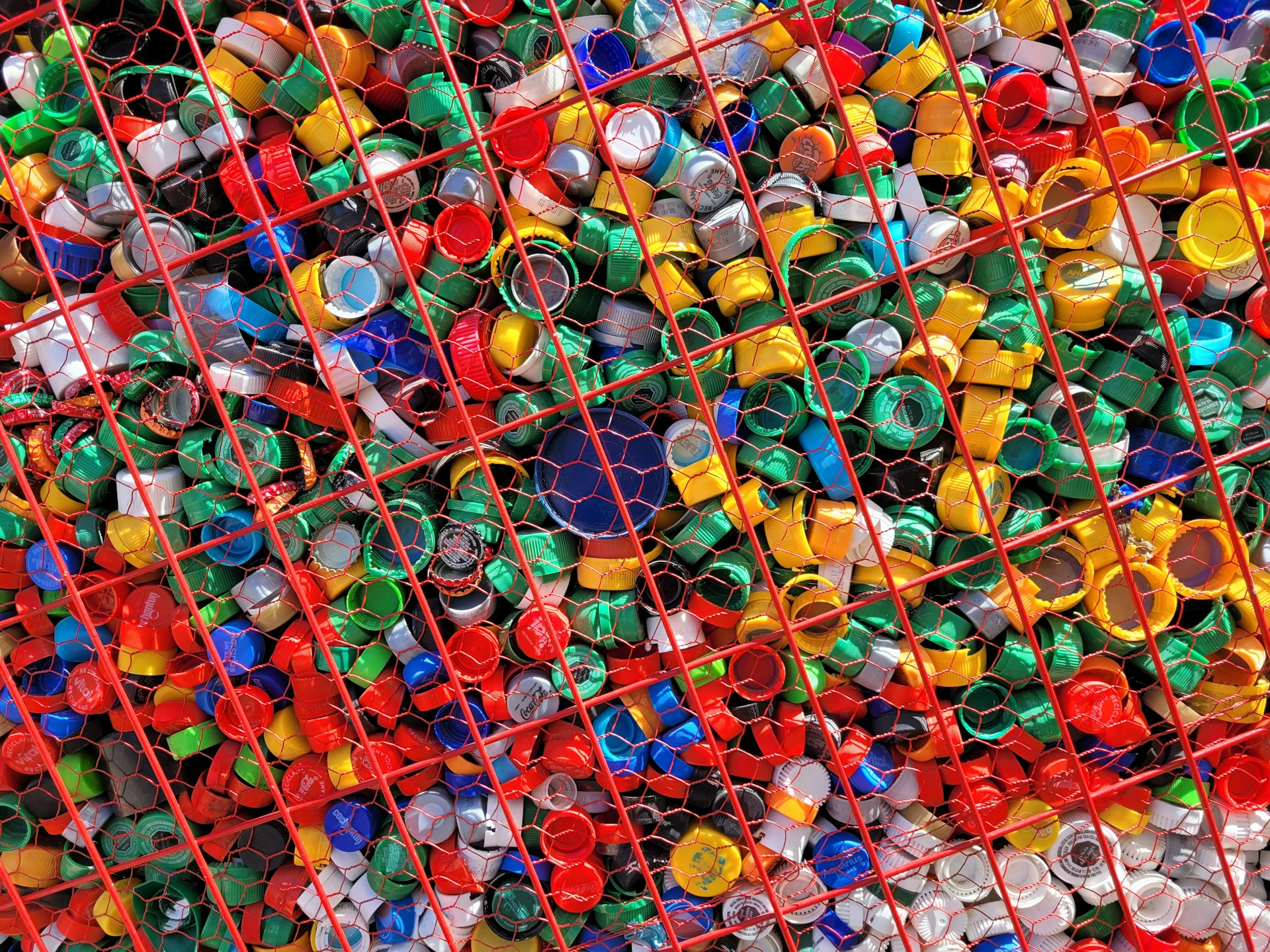
Polymer Comply Europe has joined the Circular Plastics Made in Europe campaign, adding its support to an industry push for more of the plastic waste collected across Europe to be recycled and reintegrated within regional value chains rather than displaced by external material flows.
The campaign is framed around a straightforward industrial argument: if Europe wants recycled content targets, circular-economy compliance, and a more resilient manufacturing base, it needs the recycling capacity, feedstock access, and demand signals to keep that material in circulation close to home. That means not only building more processing capability, but also reducing the mismatch between policy ambition and the commercial reality facing recyclers, converters, and manufacturers.
The European Commission has already placed industrial competitiveness and decarbonisation at the centre of its Clean Industrial Deal, and on 4 March it published the proposed Industrial Accelerator Act as part of that wider agenda. Against that backdrop, plastics recyclers and allied organisations are pressing for circularity rules that do more than set targets on paper. They want a framework that supports European waste streams, sustains local processing capacity, and gives manufacturers workable access to compliant recycled material.
That pressure is being driven by a deteriorating market picture. The Circular Plastics campaign says around 45 recycling facilities have closed across Europe in the past two and a half years, with significant losses in the Netherlands, the UK, and Germany. Plastics Recyclers Europe, which is closely tied to the campaign narrative, has separately reported a 5.5 percent drop in sector turnover and the loss of nearly one million tonnes of recycling capacity over a three-year period. Those figures point to an industry that is still being asked to deliver circularity while parts of its economic base are weakening.
For Polymer Comply Europe, the intervention makes strategic sense. The company works at the compliance end of the plastics sector, where recycled content obligations, traceability demands, product stewardship, and documentation requirements are turning circularity into a practical operating issue rather than a broad sustainability statement. Businesses cannot meet tougher recycled-material rules consistently if local supply remains patchy, quality varies, or imported flows undercut investment in European reprocessing.
The campaign’s demand is therefore wider than a recycling message. It is about industrial policy, market design, and supply resilience as much as waste handling. Europe has spent years developing circular-plastics ambitions; the harder task now is building the commercial conditions that allow those ambitions to hold.
Support from advisory and compliance organisations such as Polymer Comply Europe will not decide that debate on its own. But it does show that the argument for a more regionally anchored plastics loop is spreading beyond recyclers and into the wider regulatory and industrial support ecosystem.