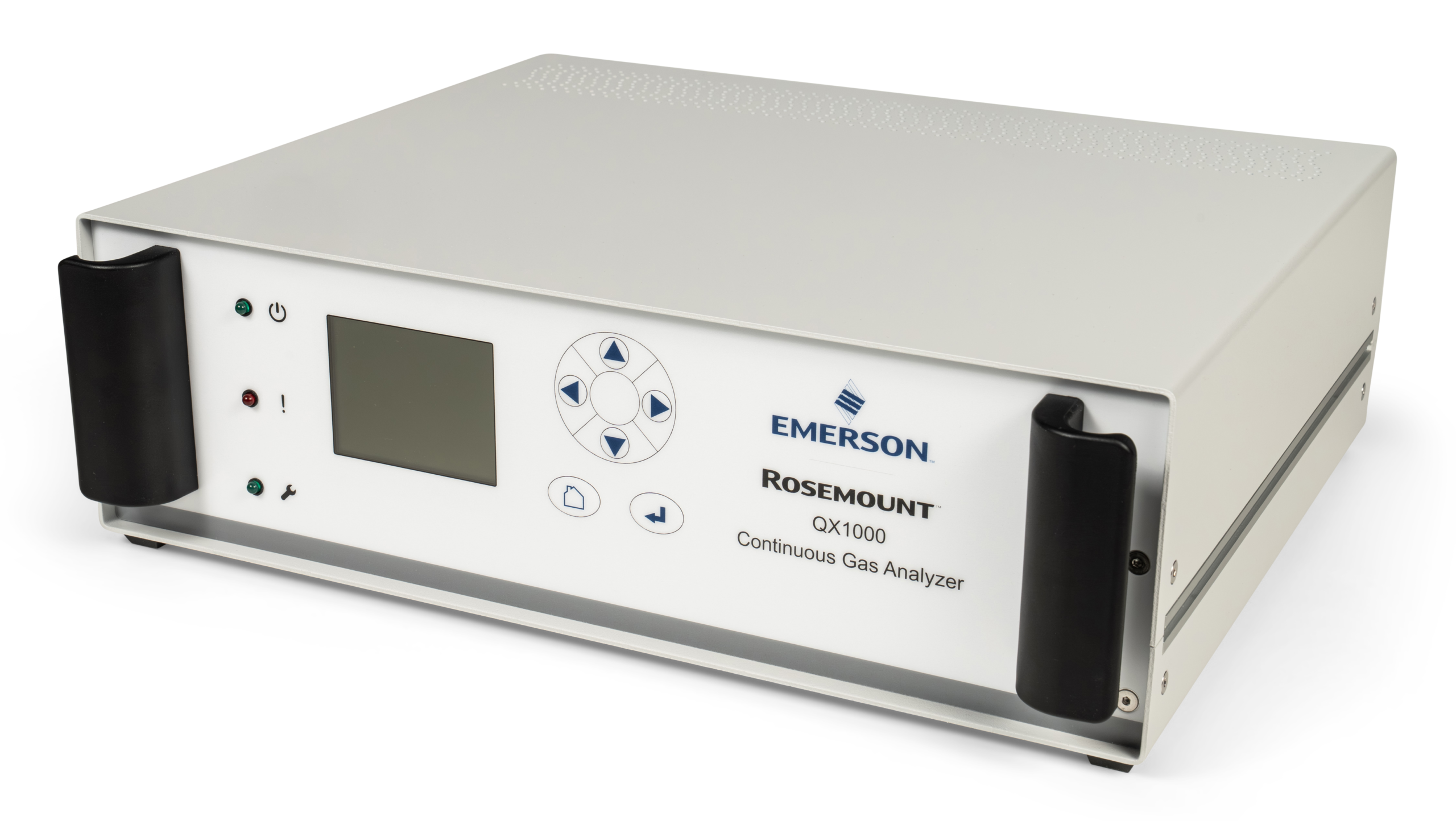
Emerson has launched its Rosemount QX1000 Continuous Gas Analyzer, targeting continuous emissions monitoring system (CEMS) deployments and other process applications that need high selectivity, accuracy, and reliable uptime under compliance pressure.
Emerson says the QX1000 is the first analyser to combine laser and paramagnetic detection methods in a single device, using paramagnetic measurement for O₂ and quantum cascade laser direct absorption spectroscopy for other gases. The company is positioning that hybrid architecture, and a modular configuration approach, as a way to tailor a single analyser platform to different regulatory and process needs without forcing sites into one-size-fits-nobody measurement compromises.
Beth Livingstone, global product manager, process gas, Emerson, said: “A major differentiator of the QX1000 is the integration of multiple advanced technologies within a single device, providing the best-fit solution for each measurement need. The QX1000 is not only the first of its kind, but it also marks the beginning of a portfolio of analysers designed to set new gas analysis standards.”
The timing makes sense. CEMS obligations remain a hard requirement across many industrial sites operating stacks that emit to atmosphere, and operators have little appetite for instruments that deliver compliance headaches on top of process headaches. Emerson lists chemical, oil and gas, power generation, pulp and paper, refining, and water and wastewater among the target sectors, where emissions reporting expectations and enforcement risk can be significant, and where analyser downtime can carry operational penalties beyond the cost of parts.
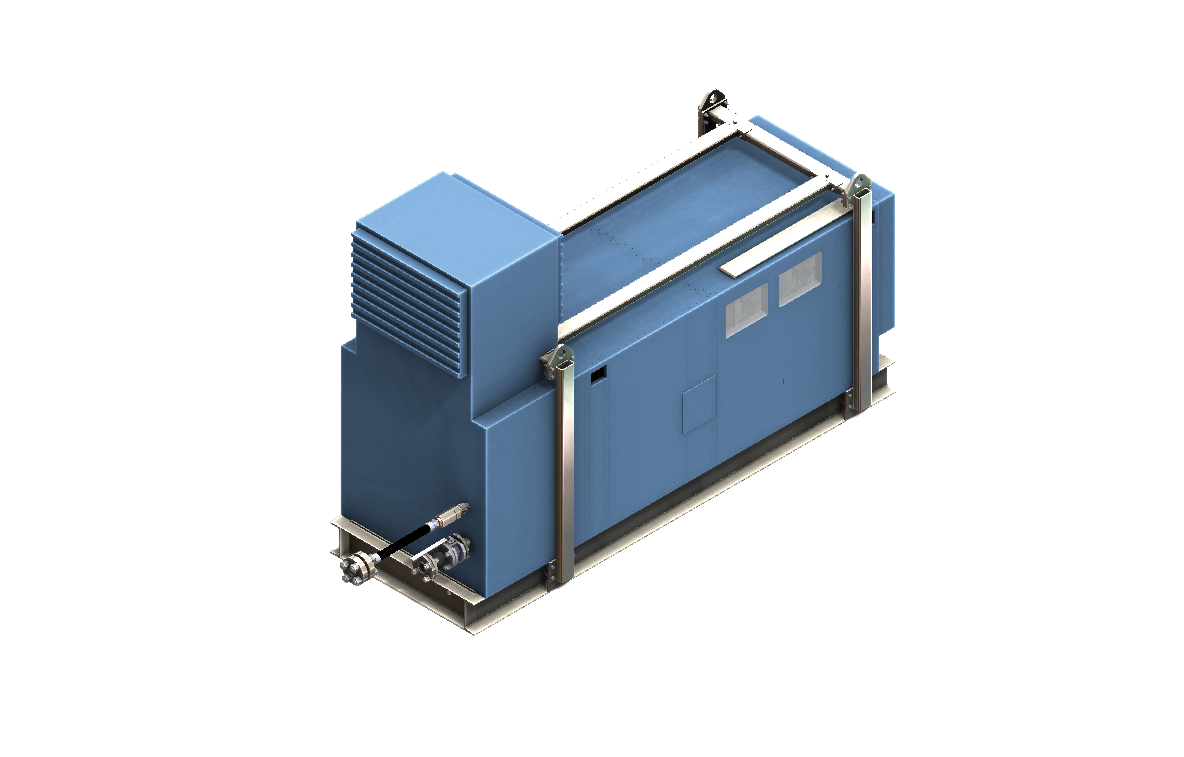
The QX1000 uses a cold/dry sample handling approach. Gas extracted from the process is transported to the analyser through a thermoelectric chiller, bringing the temperature down to around 4°C so that moisture condenses and drops out. Emerson says this sample conditioning can be integrated into existing plant infrastructure, or supplied as part of a packaged Emerson system solution that includes sample conditioning hardware.
From a measurement perspective, Emerson is leaning on laser selectivity to handle complex gas streams while delivering continuous, real-time data. Off the shelf, the platform supports key regulatory gases including CO, CO₂, O₂, NO, NO₂, and SO₂, with configurations typically offering detection of one to four gases. Emerson also says measurement of additional gases, such as CH₄ and N₂O, is available, expanding potential use cases beyond basic compliance reporting.
Reliability and lifecycle cost are the other headline claims. Emerson says the QX1000 eliminates moving parts that are prone to failure and replacement, and that its low-consumable design reduces maintenance burden and total cost of ownership. In CEMS environments, where systems must stay online to maintain compliance, fewer consumables and fewer failure points are not a “nice to have” — they are the difference between routine reporting and a scramble to explain why the numbers disappeared.
The real test for any new analyser platform is not the brochure specification, but whether it keeps delivering stable readings after months of real plant conditions, shifting loads, and imperfect sample systems. Emerson’s modular approach suggests it expects sites to want flexibility, and the compliance market has rarely rewarded inflexibility for long.