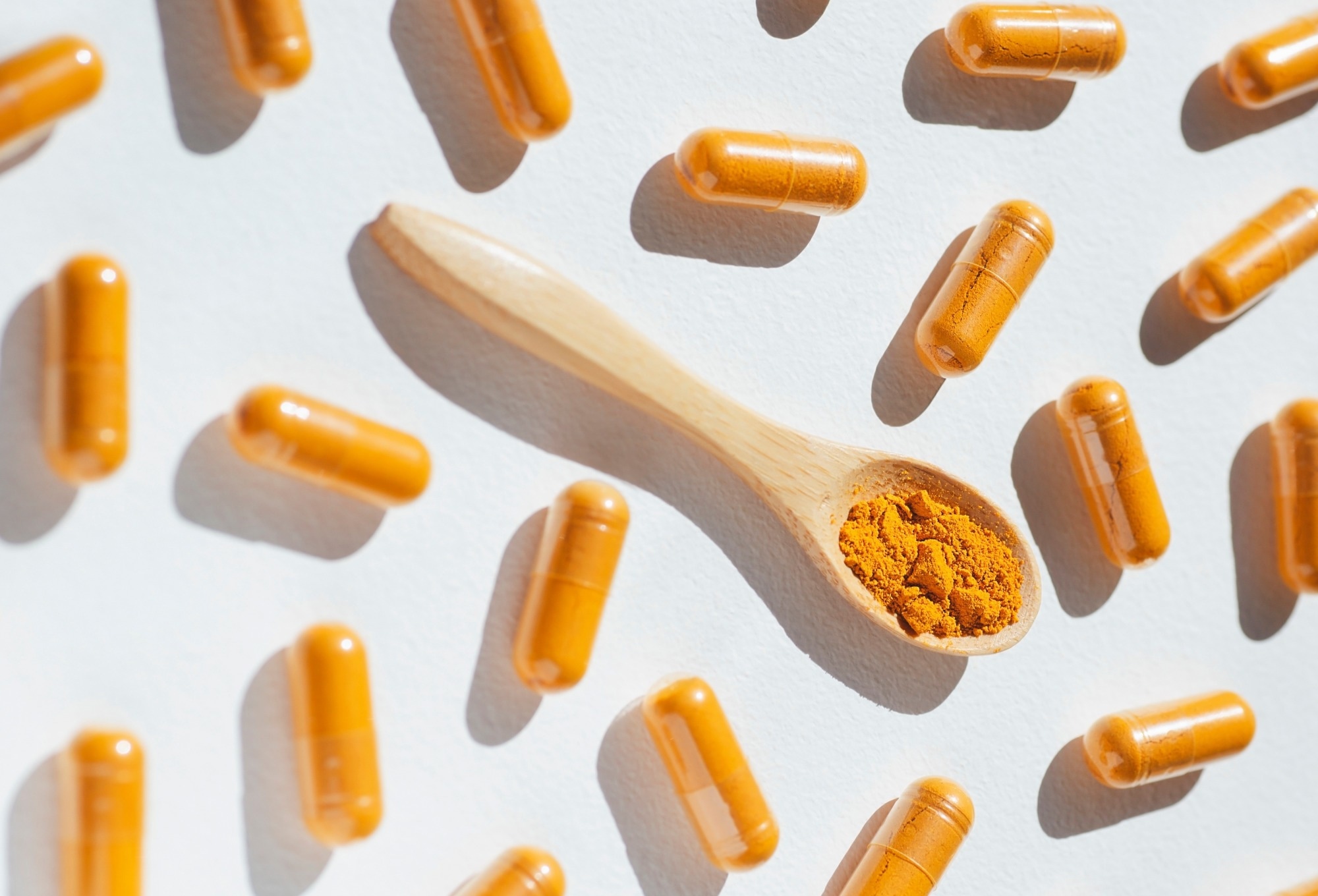
A new study in Naunyn-Schmiedeberg’s Archives of Pharmacology reveals major regulatory and transparency gaps in turmeric supplements, questioning their safety despite turmeric’s reputation for health benefits. Researchers evaluated 125 turmeric supplements across Australia, Germany, India, the UK, and the USA, focusing on label consistency with public health dosage guidelines.
The study found significant labeling inconsistencies, with 34.4% of products not specifying active curcuminoid content. Moreover, 28.8% of products with dosage data recommended daily doses exceeding the JECFA’s acceptable intake of 0–3 mg/kg body weight. This standard does not account for formulations using bioavailability enhancers like piperine, potentially underestimating risk.
Turmeric, a staple in Ayurvedic medicine and South Asian cuisine, is revered for its health benefits. Its active compounds, curcuminoids, are noted for anti-inflammatory and antioxidant properties. However, poor bioavailability limits their therapeutic potential. Manufacturers enhance absorption using substances like piperine or lipid complexes, raising safety concerns due to insufficient toxicity studies.
This global assessment of turmeric supplements highlights a poorly regulated market, with consumers at risk of overdose and adverse effects. The study’s analysis showed 43 of 125 products lacked transparency in active ingredient disclosure, leaving users unable to make informed decisions. Dosage recommendations varied widely, often conflicting with international guidelines. Indian products had the highest average maximum daily dose at 457.4 mg, while UK products had the lowest at 123.4 mg. German supplements, despite high disclosure rates, frequently exceeded recommended doses.
Safety labeling was also inadequate, with many products lacking overdose warnings or information on potential drug interactions. In Australia, none of the products included an overdose warning. Indian products largely ignored legal requirements for safety warnings, and no products in the USA or India carried pregnancy warnings. Misleading health claims, such as liver health benefits, were observed despite emerging reports of turmeric-associated liver injury.
The study underscores the need for improved oversight in the turmeric supplement industry, revealing regulatory gaps and inconsistent labeling that prioritize marketing over safety. Current regulations classify turmeric supplements under food law in most assessed countries, except Australia, where they are complementary medicines. Harmonized international regulations are essential to protect consumers from the potential biotoxicity of curcumin, especially in enhanced formulations.
The study’s findings should be considered alongside therapeutic curcumin use in clinical trials, where effective doses range from 180 mg to 2000 mg, depending on bioavailability. This context highlights that higher supplemental doses do not guarantee greater benefits, underscoring the need for stricter regulatory measures.