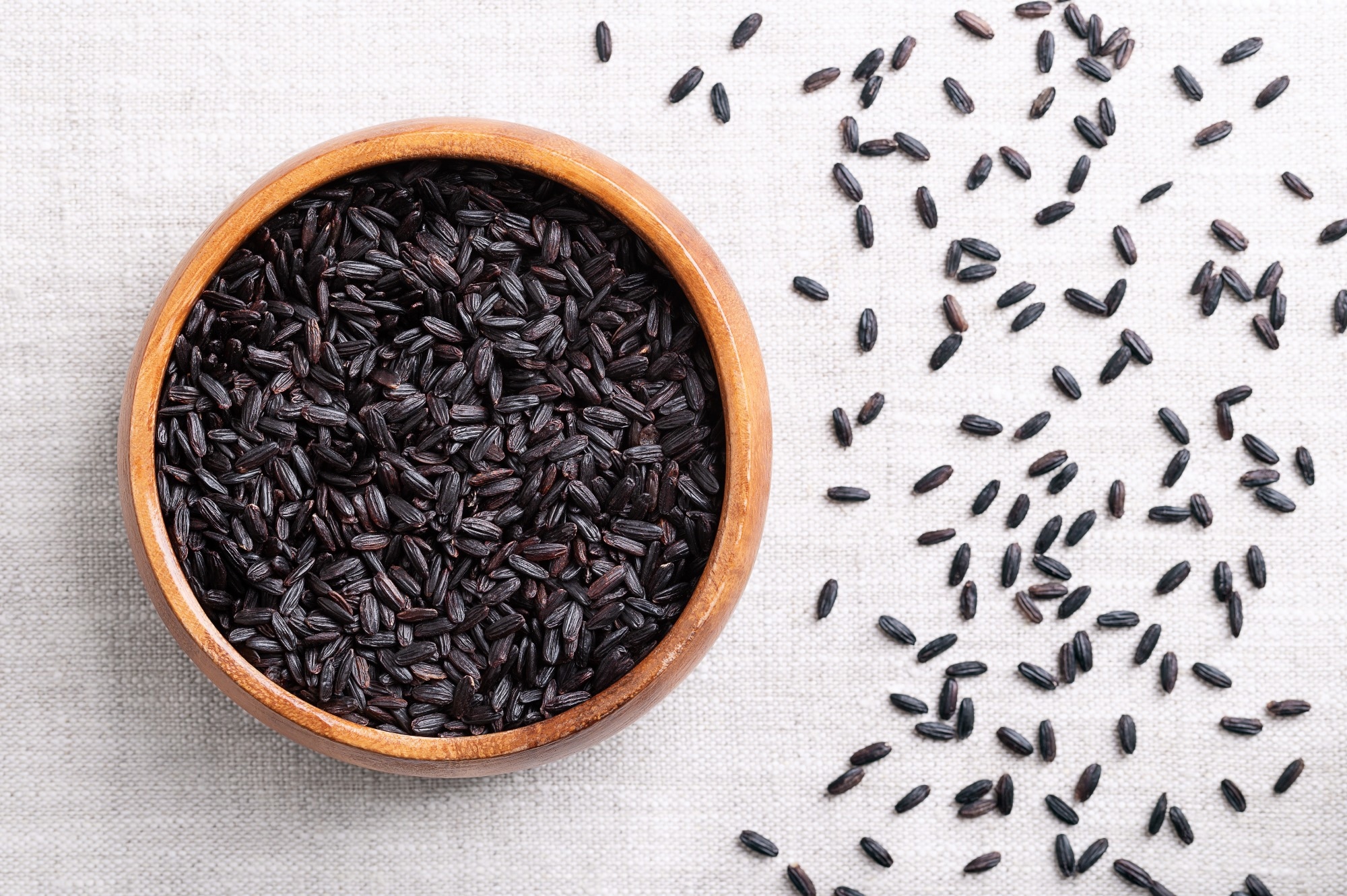
Black rice, once a delicacy for emperors, is gaining renewed attention as a functional food with significant health and industrial benefits. A recent study published in Frontiers in Nutrition examines its bioactive compounds, therapeutic potential, and diverse applications. The research underscores black rice’s rich nutrient profile, including high levels of anthocyanins, which surpass those found in blueberries.
Globally, rice is a staple for nearly half the world’s population, especially in Asia, where it forms 60 to 70% of daily caloric intake for two billion people. As the demand for plant-based foods rises, black rice emerges as a nutrient-dense option rich in antioxidants and micronutrients.
Black rice’s bran, containing over 80% of its bioactive compounds, offers nutritional benefits through essential amino acids, minerals, and vitamins. Its lipid profile includes oleic, linoleic, and palmitic acids. The presence of zinc, selenium, iron, B-complex vitamins, vitamin E, and β-carotene further enhances its nutritional value.
The antidiabetic properties of black rice are attributed to its inhibition of carbohydrate-hydrolyzing enzymes and suppression of glucose transporters, which help manage postprandial glucose levels. Studies in diabetic rats show improved glucose homeostasis following black rice extract administration.
Anthocyanins in black rice contribute to decreased cholesterol absorption and increased fecal sterol excretion, reducing LDL cholesterol in animal models. However, the bioavailability of anthocyanins in humans is low, limiting their clinical efficacy.
Research also indicates neuroprotective, antiviral, and anti-metastatic effects of black rice anthocyanins. Processing methods significantly impact the preservation of these compounds, with germination enhancing certain bioactives, while milling reduces anthocyanin content. Innovative applications in the food industry include using black rice flour to lower the glycemic index of baked goods and pasta.
Despite its potential, challenges such as low crop yield, high production costs, and water-intensive cultivation must be overcome for sustainable expansion. Black rice holds promise as a functional food, offering substantial health benefits and industrial applications, pending further research and development.