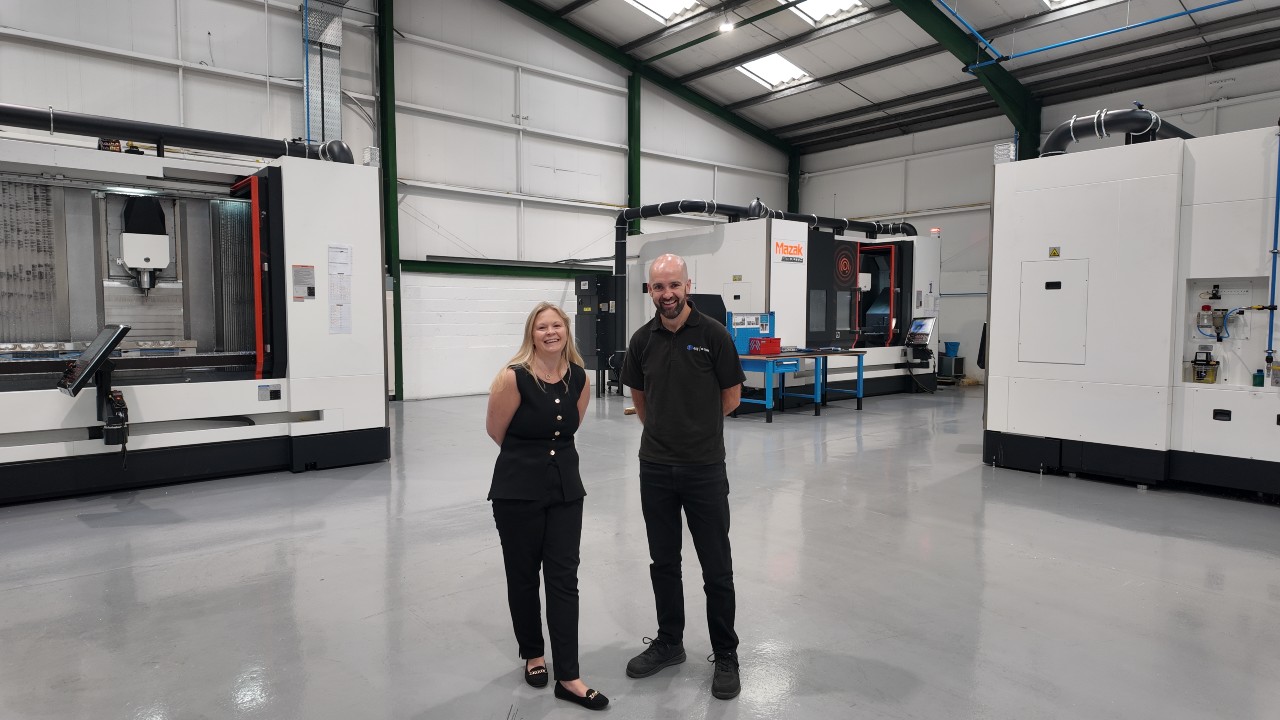
ASG TGM has expanded its aerospace machining capacity with the installation of a sixth Mazak VTC-800 vertical machining centre, part of a £1.75 million investment in a new 11,000 sq ft facility in Preston.
The new machine has been integrated into a dedicated shop floor adjacent to the company’s existing facility. This expansion strengthens the company’s ability to manufacture large, structurally critical aircraft components to tight tolerances.
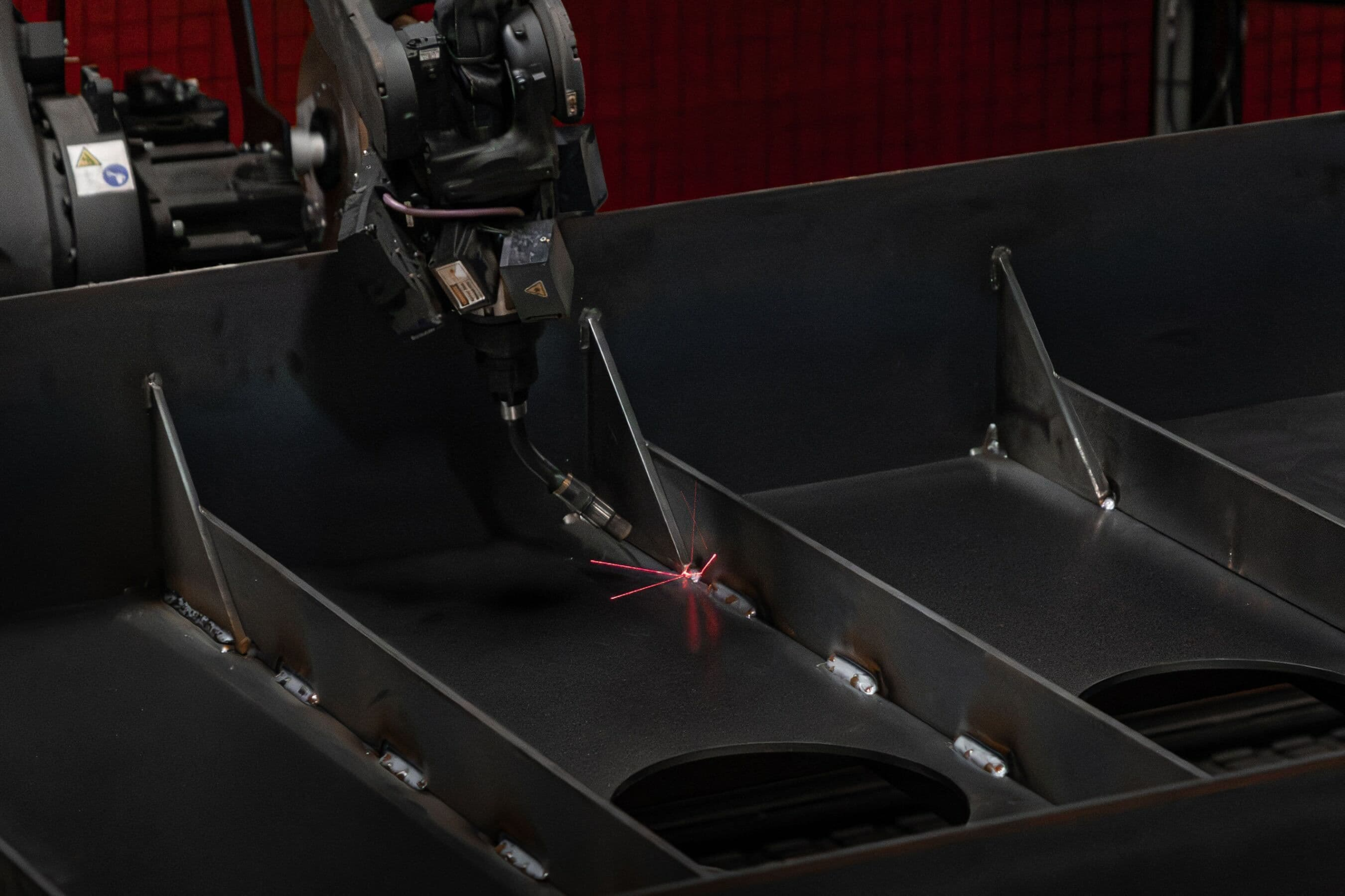
Mazak’s VTC-800, built in the UK, offers full 5-axis machining capability, a travelling column design, and an 18,000 rpm spindle. Its large machining envelope makes it suited to complex aerospace work, including butt straps, spreader plates, intercostals, and wing assembly ribs.
Sarah Stephens, Managing Director at ASG TGM, said: “The new facility and machines effectively create a mirrored production cell that complements our existing machine shop, which is already equipped with three Mazak machines. The new cell will increase capacity, flexibility and improve workflow, which is vital to ensuring we continue to provide a fast and efficient service to our OEM and Tier 1 aerospace customers.”
Stephens added that the VTC-800 SDR’s compact footprint and rotational capabilities improve access to large milled parts, enhancing productivity.
Founded in 1998 and now part of ASG Group, TGM supplies detail parts and tooling across aerospace, medical, scientific, and nuclear sectors. Its Preston site now houses 18 machines capable of 3-, 4- and 5-axis machining of hard and soft metals up to 4.8 metres.
Alan Mucklow, Managing Director UK, Ireland and National Distributors at Mazak, said: “The VTC-800, designed and built in the UK, is one of our most popular machines, with more than 1,000 now in operation across Europe. The machining envelope of the VTC-800 is one of the largest in its class, making it ideal for large engine components, while maintaining the flexibility to meet different application needs.”
ASG TGM’s investment underscores continued demand for UK aerospace machining capacity, with new programmes driving requirements for large structural components and higher precision standards.
For a deeper analysis of what investments like this mean for UK defence aerospace, read the full IN Defence feature: Structural machining emerges as UK defence chokepoint