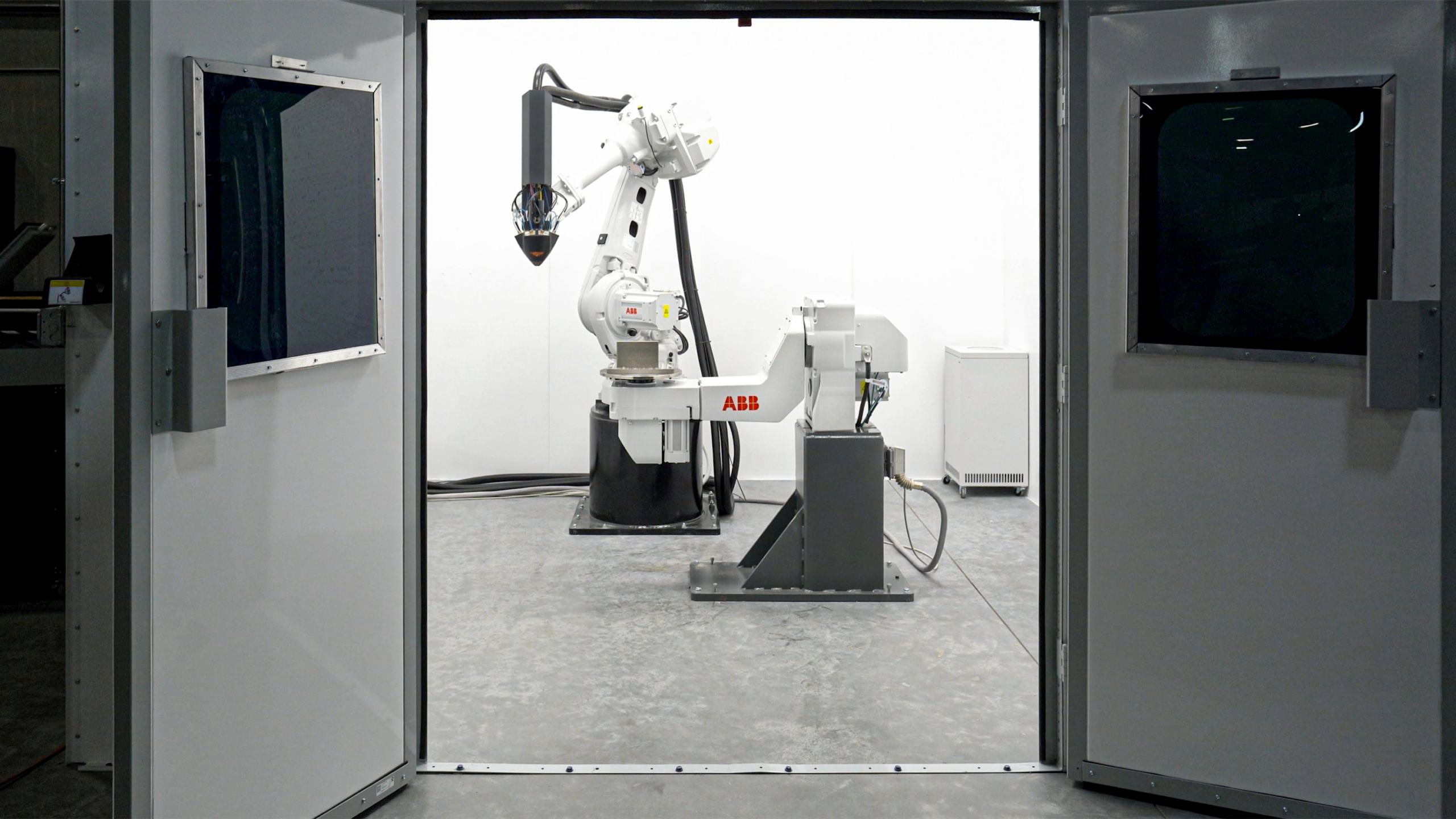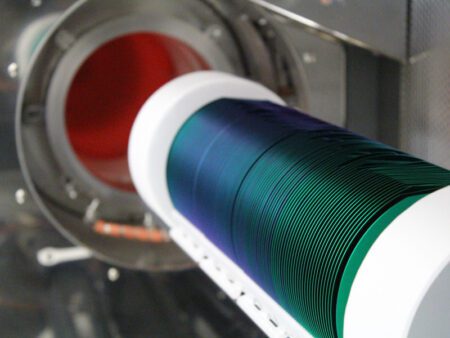

Image: Clas-SiC Wafer fab
According to a new report from the Compound Semiconductor Applications (CSA) Catapult, solid state transformers are poised to revolutionise power systems and the UK is well placed to lead this technology.
Solid state transformers, still a nascent technology, employ advanced semiconductor devices such as insulated gate bipolar transistors (IGBTs) and silicon carbide (SiC) and gallium nitride (GaN) semiconductor field-effect transistors (MOSFETs) to enable high frequency operation and improved high temperature performance.
This significantly reduces the size and weight of the transformer by as much as 70%, by allowing for smaller magnetic components.
Additionally, the power electronic architecture enables advanced features such as precise voltage regulation and compatibility with both AC and DC systems.
Have you read?
How will the power transformer of today evolve to meet tomorrow’s demand?
Europe Energy Briefs: Europe’s utilities supply chains
This makes them suitable for a wide variety of applications, from power grids with the integration of renewables and bidirectional power flow to electric vehicle charging and power distribution in data centres and the rail, marine and aviation sectors, the report points out.
The report cites ‘market experts’ projecting the solid state transformer market to grow at a double-digit compound annual growth rate through to 2030, driven by the rapid expansion of renewable energy, EV charging infrastructure and smart grid upgrades.
Government-led decarbonisation efforts, such as the UK’s Net Zero Strategy, are further strengthening the market potential for deployment.
However, widespread adoption is still limited by high initial costs, technical challenges and gaps in regulatory frameworks, the report comments.
For example, the high frequency operation of the transformers affects both reliability and scalability, requiring advanced materials, optimised circuit designs and robust protection and control strategies to overcome these and enable broader adoption.
Looking ahead
The Catapult report suggests the UK is well placed to lead this technology due to its world-leading expertise in power electronics and compound semiconductors.
Key opportunities include the renewables and EV growth, the around 585,000 substations and the electrification of rail with the replacement of almost 3,000 diesel locomotives.
To accelerate solid state transformer adoption, recommendations for policy makers in the report – equally applicable in other countries as well – include increasing funding for R&D and pilots and encouraging industry-academia collaborations to advance innovation.
Local semiconductor production should be supported to reduce supply chain dependency and there should be investment in power electronics infrastructure to strengthen national competitiveness in the technology.
There should also be regulatory incentives for grid operators to adopt solid state transformers.
“The UK is in a strong position to take this technology forward with a flourishing power electronics and compound semiconductor ecosystem that is needed to take this technology from concept into real world applications,” says Nick Singh, chief technology officer at the CSA Catapult.
“As the energy landscape evolves and we introduce more renewables into the grid, solid state transformers have the potential to modernise our infrastructure and transform the way we move electricity around the system.”